
Social media and weight loss have transformed semaglutide into a cultural phenomenon
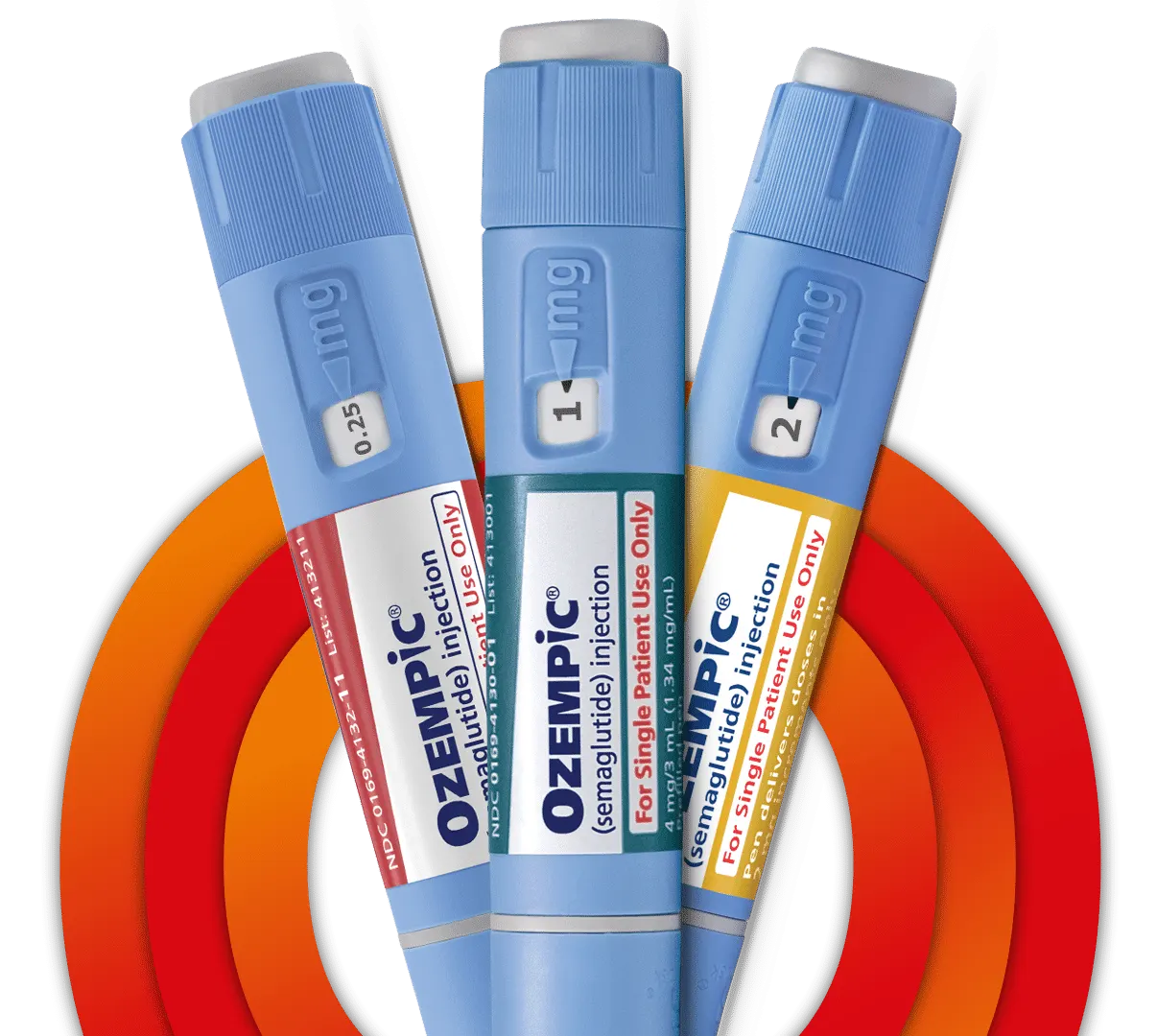
What if the newest way to lose weight wasn’t a diet or a gym membership, but a weekly injection? In 2017, the Food and Drug Administration (FDA) approved Ozempic to treat type two diabetes (1). Back then, Ozempic was not a household name, but over the last nine years, the drug has grown into a massive cultural and media phenomenon, mainly because of its connection to weight loss.
The brand name for semaglutide, Ozempic, is a medication in the class of GLP-1 receptor agonists (2). Receptor agonists bind to a cell receptor and produce the same biological response as the substance that normally binds to it (3). GLP-1 receptor agonists mimic glucagon-like peptide-1, a hormone the body naturally produces after eating (4). Glucagon-like peptide-1 slows digestion, regulates blood sugar, and signals to the brain that the body is full (2). This combination makes semaglutide effective for type 2 diabetes and helps explain why a higher-dose version, Wegovy, was later FDA-approved specifically for weight loss in people with obesity (5, 6).
However, semaglutide comes with potential side effects and health risks, even when prescribed. The most common impact is the gastrointestinal system: nausea, vomiting, diarrhea, stomach pain, and constipation (7, 8, 9). In a pool of seven clinical trials, 3150 adults with type-2 diabetes took Ozempic for an average of 45 weeks. The average participant was 57 years old, and 57% were 57% were male, 60% were White, 31% were Asian, 6% were Black, and 16% were Hispanic/Latino. In the trials that tested the 1 mg dose, 36.4% of people had gastrointestinal side effects, and nausea was the most common, affecting 20.3% of users (10). Rarer, but more serious side effects include pancreatitis, kidney damage, gallbladder issues, and vision changes (7, 8, 9). Animal studies have also found a link to thyroid tumors, posing risks to people with a family history of thyroid cancer (7, 8).
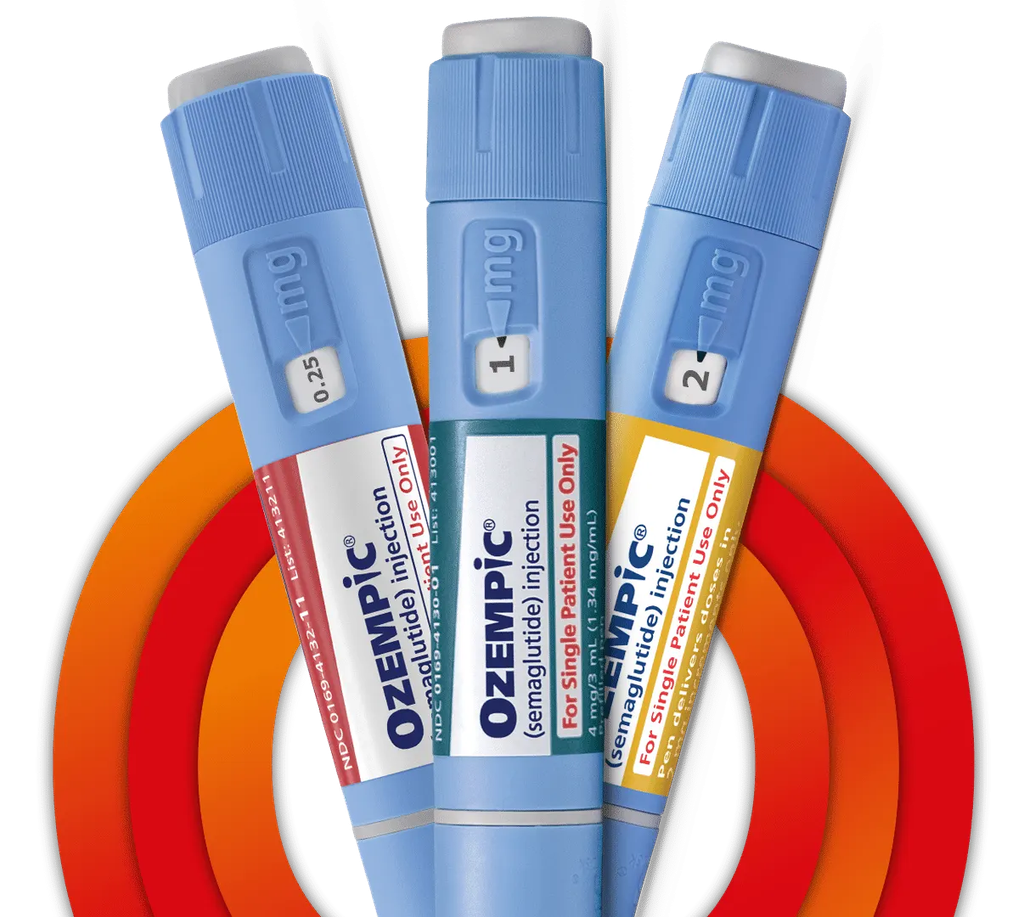
Much of Ozempic’s fame has little to do with diabetes. Although Ozempic itself is not FDA-approved for weight loss, its appetite-suppressing effects have made it a popular weight-loss shortcut (4). Social media trends, celebrity attention, and reports of significant weight loss have all contributed to its growing reputation (11). In a smaller study of 626 users, nearly a third reported starting Ozempic on their own, mostly through social media, and three-quarters used Ozempic purely for weight loss (12).
As Ozempic has grown in popularity, it has shown how social media can transform the use of a drug. For many people, Ozempic is no longer a drug their doctor told them about, but something they first heard of online. While semaglutide has shown real benefits for patients in need, its rapid rise also highlights the need to understand its risks, appropriate uses, and long-term effects (1).
Bibliography:
- Bradley, S., Habas, C. (2026, August 13). Ozempic statistics 2026. SingleCare. https://www.singlecare.com/blog/news/ozempic-statistics/
- (2023, July 3). GLP-1 Agonists: What They Are, How They Work & Side Effects. Cleveland Clinic. https://my.clevelandclinic.org/health/treatments/13901-glp-1-agonists
- (n.d.). Definition of agonist – NCI Dictionary of Cancer Terms – NCI. National Cancer Institute. https://www.cancer.gov/publications/dictionaries/cancer-terms/def/agonist
- Manaker, L. (2026, March 9). Is Ozempic Safe for Weight Loss If You Don’t Have Diabetes? EatingWell. https://www.eatingwell.com/is-ozempic-safe-for-weight-loss-if-you-do-not-have-diabetes-11912661
- Stanford, J., Fill, K. (2026, February 22). Wegovy vs. Ozempic: Important Differences To Consider. Drugwatch. https://www.drugwatch.com/drugs/ozempic/wegovy/
- McCrimmon, K. (2026, May 5). Wegovy vs. Ozempic: The truth about these ‘weight-loss’ drugs. UCHealth. https://www.uchealth.org/today/wegovy-vs-ozempic-the-truth-about-new-weight-loss-drugs/
- Ishver, A. (2026, March 11). Ozempic (Semaglutide): Uses, Side Effects, Interactions, Pictures, Warnings & Dosing. WebMD. https://www.webmd.com/drugs/ozempic-semaglutide#precautions
- (n.d.). What is Ozempic® Pen? Ozempic. https://www.ozempic.com/ozempic-pen/what-is-ozempic-pen.html
- Puckey, M. (2026, August 14). Ozempic: Uses, Dosage, Side Effects, Warnings. Drugs. https://www.drugs.com/ozempic.html
- (2017, December 5). Ozempic Approval. U.S. Food & Drug Administration. https://www.accessdata.fda.gov/drugsatfda_docs/label/2022/209637s009lbl.pdf
- Blum, D. (2026, September 22). Many Americans Use GLP-1 Drugs Without a Medical Reason, Study Shows. The New York Times. https://www.nytimes.com/2026/09/22/well/ozempic-glp1-medical-reason.html
- Al-Qaaneh, A. M., Qunaibi, E. A., Al-Fraihat, N. A., Abu-Aisheh, B. E., Rabea, S., Al Aloul, A. A., Matahen, R., & Annabi, F. O. (2025). Real-World Off-Label Use of Semaglutide for Weight Reduction: User Behavior, Effectiveness, and Satisfaction. Patient preference and adherence, 19, 3373–3385. https://doi.org/10.2147/PPA.S549716
Image Citations:










Comments are closed.