
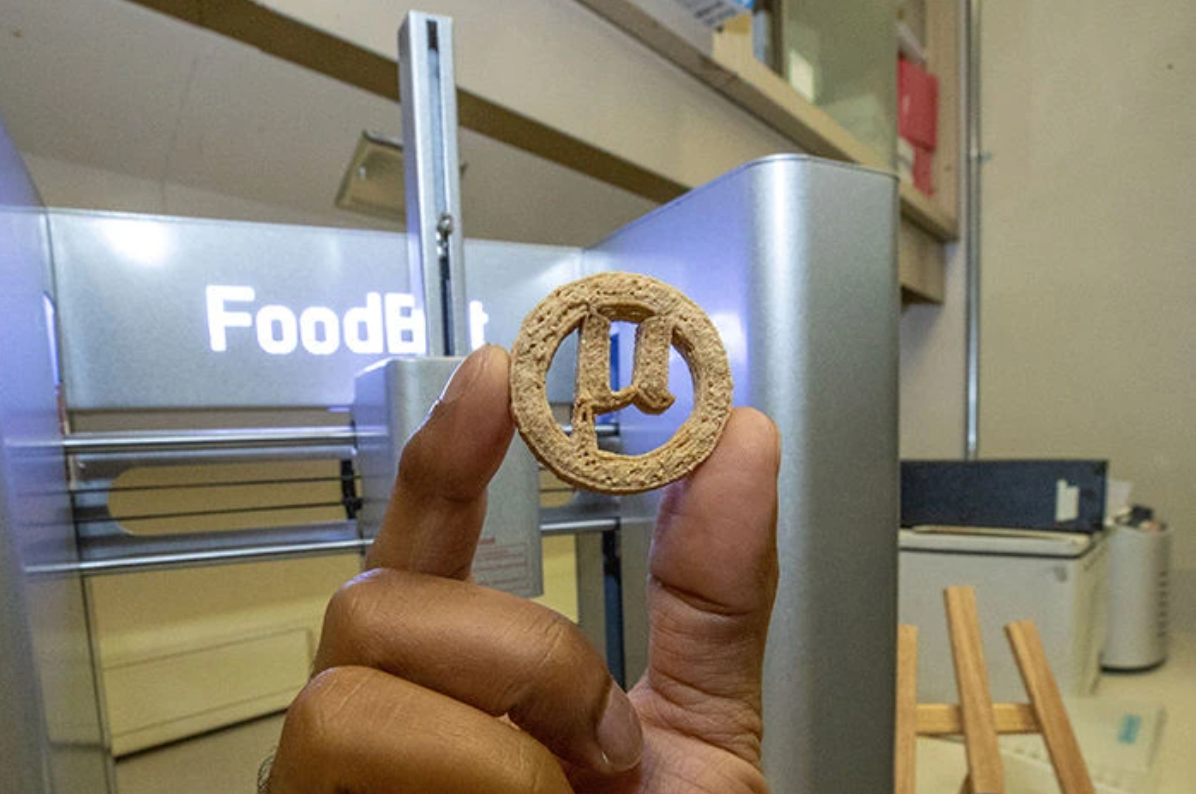
How does it work, and most importantly, how does it taste?
The next time you throw a plastic bottle into the recycling bin, remember that it might become tomorrow’s dessert. Crazy, right? Researchers at Southern Illinois University Carbondale have done exactly that. They programmed yeast to convert old plastic bottles into edible, vanilla-flavored cookies and debuted their prototype, µBites (MicroBites), at the American Chemical Society’s Fall 2026 conference in Chicago (1). The research received funding from NASA’s Deep Space Food Challenge, a program trying to figure out how to keep astronauts fed on multi-year missions to the Moon or Mars where resupply ships are impossible (2).
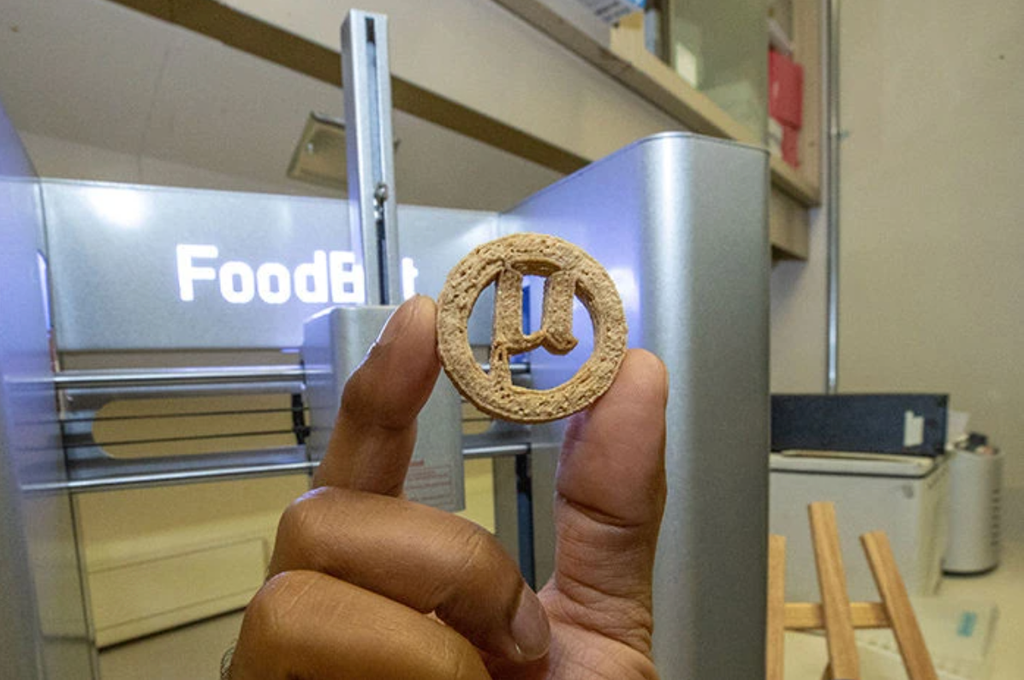
Turning plastic into cookies may sound strange, but the process is more straightforward than it seems. Researchers shred common PET plastics and crop scraps, then blast them with extreme heat, water, and oxygen to break down the material into a liquid. They then feed this mixture to specialized, genetically engineered strains of baker’s yeast. Just as regular yeast eats sugar to help bread rise, these engineered microbes eat the plastic-derived carbon and chemically convert it into safe, edible components like proteins, vitamins, and fats (3).
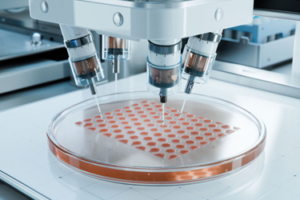
You are probably thinking: how does a plastic-born cookie actually taste? The researchers used CRISPR, a gene-editing technology that allows scientists to modify an organism’s DNA, to program the yeast (4). Their yeast strains could then produce vanillin—the primary molecule behind vanilla flavor—and beta-carotene, giving the cookies a vanilla flavor and a familiar golden-brown hue (1). Finally, they combine the yeast-grown proteins with ordinary kitchen components like fiber, starch, and sweeteners, then push the mixture through a 3D food printer. The resulting µBites have proven fairly successful, with Food & Wine magazine giving the cookies a solid 6.5 out of 9 acceptability score (5).
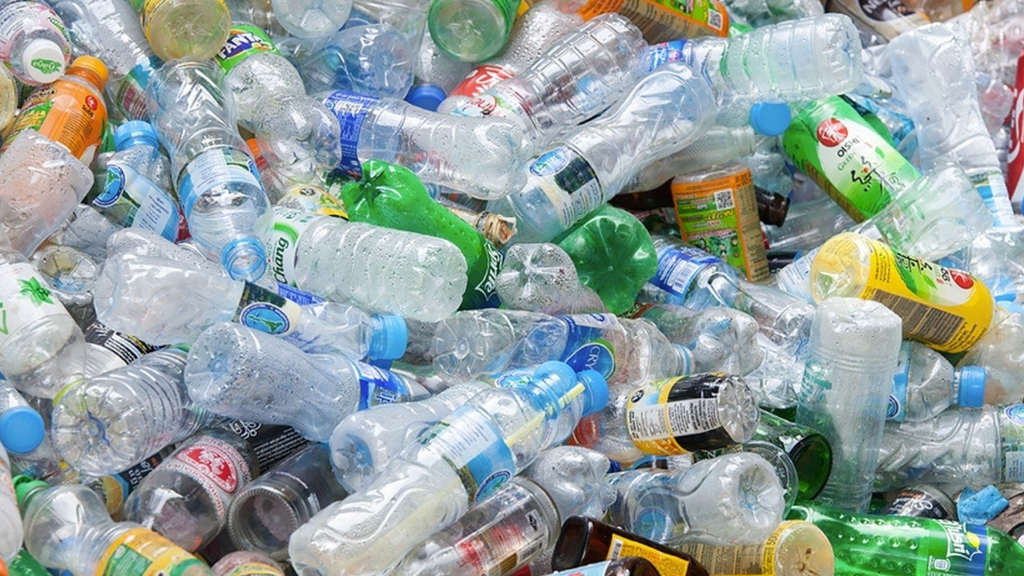
Printing vanilla cookies from old plastic water bottles also solves a real-world problem. However, the impact on Earth could be just as significant, as global food demand is projected to rise by 35% to 56% by the year 2050. Additionally, 30% of the world could face hunger within the next few decades (6). By pairing agricultural waste with recycled plastic, this biological technology could provide life-saving nutrition during humanitarian crises while cleaning up the environment.
For now, you won’t find µBites in campus cafeterias or on grocery store shelves, but the research team is refining the recipe for everyday consumer use (5). Yet it begs the question: would you be willing to eat recycled plastic to help save the planet? The next time you stand over a recycling bin, remember that the empty soda bottle in your hand might just be the main ingredient for the next generation’s dinner.
Bibliography:
- Science Releases (2026, August 24). This cookie started its life as a plastic bottle. American Chemical Society. https://www.acs.org/pressroom/presspacs/2026/august/this-cookie-started-its-life-as-a-plastic-bottle.html
- American Chemical Society. (2026, September 13). NASA-backed scientists turn plastic waste into edible cookies. ScienceDaily. https://www.sciencedaily.com/releases/2026/09/260912220033.htm
- American Chemical Society. (2026, September 18). SciTechDaily. Scientists turn plastic waste into protein-rich cookies.
- Sparkes, M. (2026, August 24). Plastic bottles can be turned into edible, vanilla-flavour cookies. New Scientist. https://www.newscientist.com/article/2585463-plastic-bottles-can-be-turned-into-edible-vanilla-flavour-cookies/
- Leasca, S. (2026, September 5). How do you turn plastic waste into an edible cookie? Scientists found a way. Food & Wine. https://www.foodandwine.com/microbites-plastic-waste-cookie-southern-illinois-university-research-12073121
- McRae, M. (2026, August 28). Yeast that makes food from plastic could solve two problems with one cookie. New Atlas. https://newatlas.com/chemistry/food-from-plastic-two-problems-one-cookie/
Image Citations:



Comments are closed.