
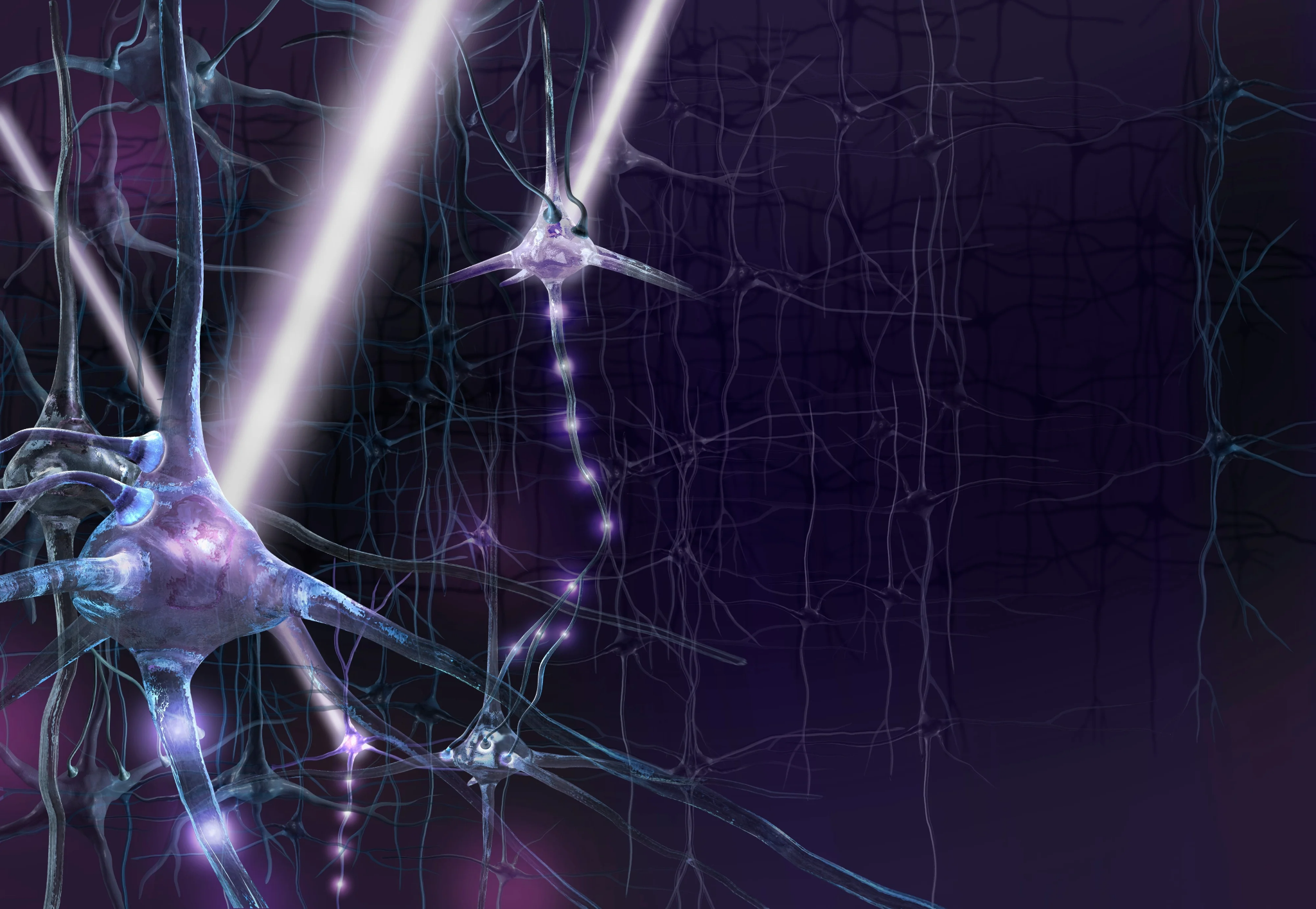
Exploring the technologies allowing scientists to hack neural circuits and reshape how we understand the mind.
Did you know that there is a cell-targetable technology that could repair complex brain disorders?
Optogenetics combines genetics and optics to control specific biological events within targeted cells of living tissue. It requires high precision as the significance of any event in a cell depends on the context of events happening around it: in the rest of the tissue, the whole organism, or even the larger environment (1). Optogenetics includes the discovery and insertion into cells of genes that bestow light sensitivity and the associated technologies for delivering light into organisms (1). Because it is difficult to analyze how dysfunction in a specific type of neuron leads to brain disorders, optogenetics uses a cell-targetable neural-control technology. This technology reveals neurons in the brain that could serve as targets for more treatments for brain disorders, and could enable new kinds of prosthetics for direct repair untreatable with other technologies (2).
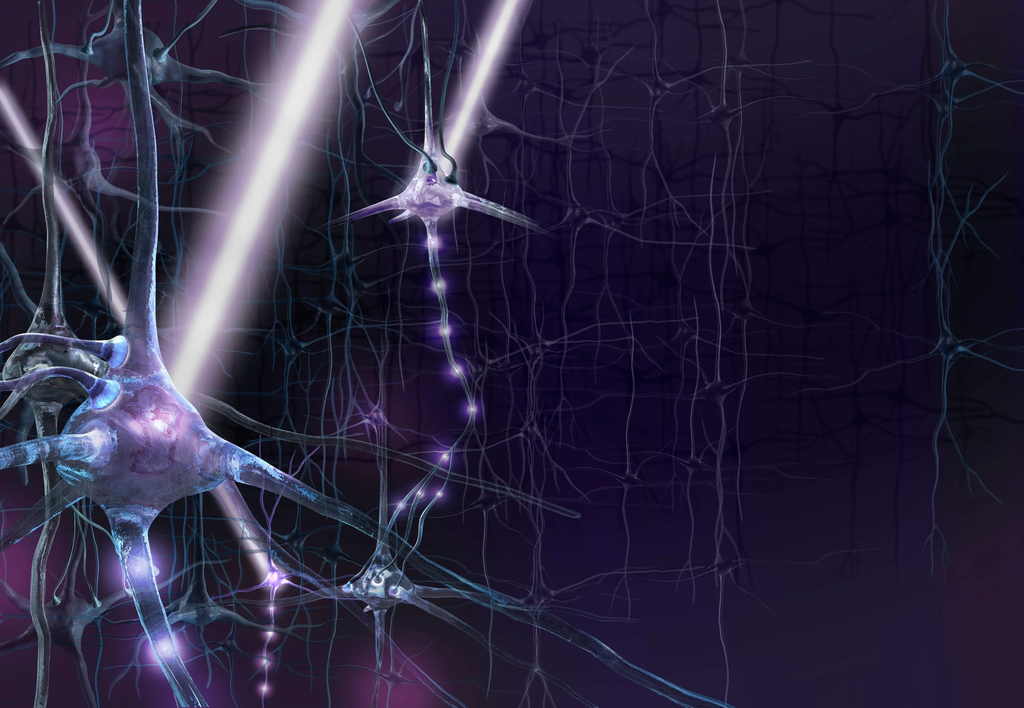
Emerging over the past two decades, optogenetics is built on microbial opsins, naturally occurring membrane proteins discovered in the 1970s and later studied for their biophysical and signaling functions (2). When illuminated, these opsins act quickly, moving ions across the membranes of the cell in which they are expressed and changing the electrical potential of the cells (2). By activating and inhibiting the activity of specific cell types, researchers can determine what role each cell type plays in the expression of different behaviors (3). They do this in a two step sequence. First, engineered proteins are expressed and researchers insert optical fibers near groups of neurons (3). Second, the brain’s behavior and physiology is monitored when these neurons are activated and inhibited by light (3).
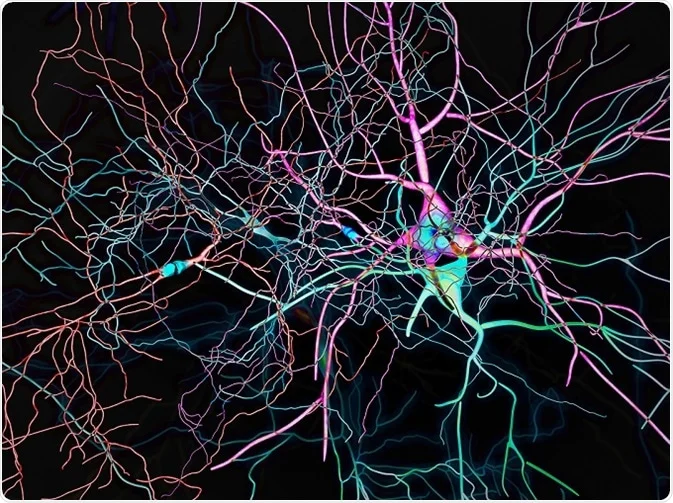
Recent studies have tested Channelrhodopsin-2 (ChR2), a light-gated cation channel (a protein pore that lets positively charged ions pass through a bilayer of a cell’s membrane) that activates cells in response to light for various pathological conditions such as Parkinson’s disease, depression, and epilepsy (4). To elaborate, ChR2 depolarizes the cell membrane in response to blue light, selecting specific circuits to activate with high precision (5). Optogenetics has also been one of the most notable extensive advancements in neuroscience techniques developed over the last two decades (4). Additionally, it has been coupled with sleep recording techniques to provide a way to examine interactions impacting sleep alterations in order to regulate sleep (4). Today, optogenetics is widely used in neuroscience, biology, and engineering fields, proving useful in studies related to the contribution of neurons and pathways to neural computations, such as in gene delivery or direct insertion of a gene into the genome of organisms (2).
Bibliography:
- Deisseroth, K. (2010, October 20). Optogenetics: Controlling the Brain with Light [Extended Version]. Scientific American. https://www.scientificamerican.com/article/optogenetics-controlling/
- Boyden, E. S. (2011). Optogenetics: Using Light to Control the Brain. Cerebrum: The Dana Forum on Brain Science, 2011, 16. https://pmc.ncbi.nlm.nih.gov/articles/PMC3574762/
- UCLA Medical School. (2022, July 26). UCLA Medical School; Regents of the University of California. https://medschool.ucla.edu/research/themed-areas/neuroscience-research/brain-functioning/optogenetics
- Takeuchi, Y., & Berényi, A. (2020). Oscillotherapeutics – Time-targeted interventions in epilepsy and beyond. Neuroscience Research, 152, 87–107. https://doi.org/10.1016/j.neures.2020.01.002
- Technology Networks. (2017). Optogenetics Explained. Neuroscience from Technology Networks. https://www.technologynetworks.com/neuroscience/videos/optogenetics-explained-293898
Image Citations:







Comments are closed.