
Understanding the science behind Neuralink and its future
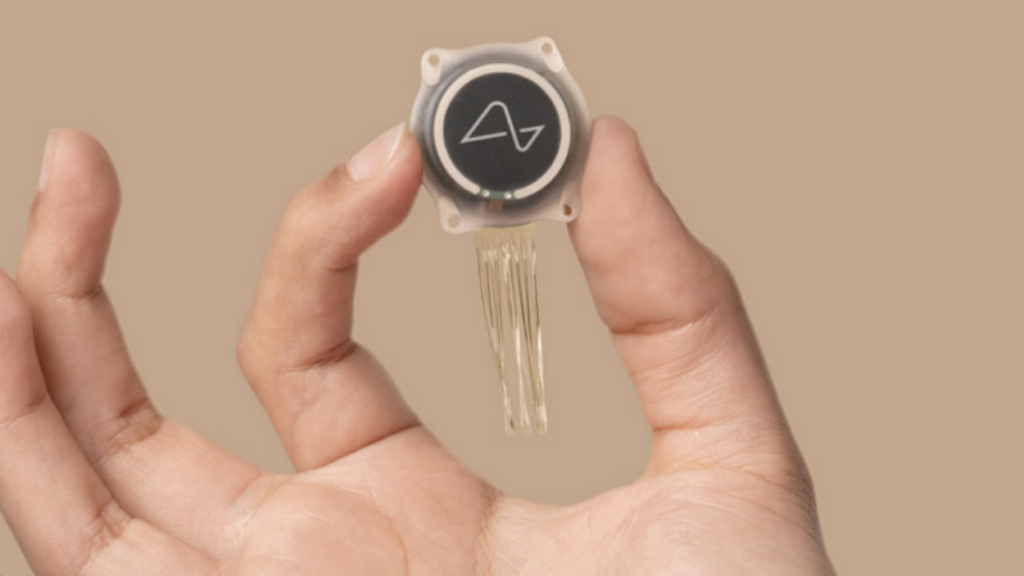
Imagine if you could write your CHASM articles without lifting a finger. This thought has become a reality through Neuralink. Neuralink is a brain-computer interface (BCI). It works by using an N1 implant (a chip placed in the brain) that is connected to thin neural threads that reach areas of the brain related to control and movement. These threads contain sensors that interpret brain signals and transmit them as electrical currents. Neuralink detects brain activity spikes, which are then analyzed by an artificial intelligence (AI) model to infer their intended actions. This technology enables Neuralink users to control devices with their minds (1).
In the past, Neuralink has been limited to animal testing, but recent FDA approval has allowed the company to begin human trials. The company has focused on conducting additional trials to generate more data and address existing problems (2). In the long run, Neuralink aims to create BCIs that combine human responsiveness and AI to enable direct interaction between a human and a device. Neuralink also aims to address neurological disorders, treat paralysis, and enable human enhancement (3).
Neuralink’s distinctiveness comes with many benefits and drawbacks. The device has many advantages, including helping those with disabilities regain control and improving learning and memory. Nevertheless, this technology can cause brain injuries, through faults within the equipment, along with privacy misuse, and misapplication of the device, by storing or revealing users’ private data (4).
Recent studies and research have shown Neuralink’s great potential, but it still has many technical and ethical challenges to address before implementation in society. With upcoming trials and more information to be gathered, Neuralink can be one of the key scientific discoveries of its time.
Sources:
- Becher, B. (2025, October 27). What Is Neuralink? What We Know So Far. BuiltIn. https://builtin.com/hardware/what-is-neuralink
- Aich, R. (2026, January 1). Neuralink plans ‘high-volume’ brain implant production by 2026, Musk says. Reuters. https://www.reuters.com/business/healthcare-pharmaceuticals/musk-says-neuralink-start-high-volume-production-interface-devices-by-2026-2026-01-01/
- (2024, February 9). Neuralink’s Brain Chip: How It Works and What It Means. Capitol. https://www.captechu.edu/blog/neuralinks-brain-chip-how-it-works-and-what-it-means
- Peter, J. (n, d). The Pros and Cons of Neuralink on Humans. Presence Secure. https://www.presencesecure.com/the-pros-and-cons-of-neuralink-on-humans/
Images:





Comments are closed.