
Protein switches in the human body and the research on cancer survival.
We have all been told cancer is deadly and that it kills millions, but what actually makes it hard to cure? Recently, at the University of Dresden, researchers have discovered a protein switch that prolongs the survival of cancer cells (1). A protein switch is a protein that gives the cell the ability to adapt to harsh conditions (2). The discovery of protein switches will link to the eventual curing of cancer. Scientists have improved their understanding of cancer and the protein switch that helps cancer cells survive. But first, let’s discuss what cancer actually is.
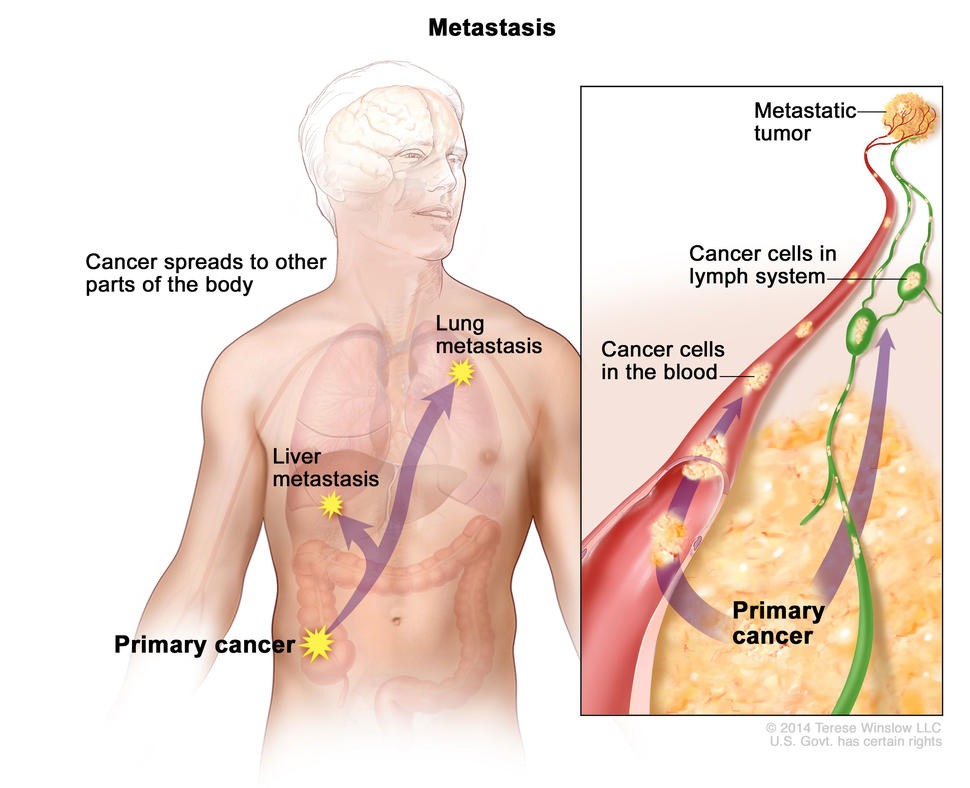
Cancer is a disease caused by a mutation in a cell’s DNA (3). The chance of a mutated cancer cell increases due to chemicals, UV radiation, smoking, viruses, and cell division (3). Cancer cells start in one cell and grow with a mutation that does not need the signals from the body to grow(normal cells only grow with approval from the body’s plan) (3,4). The body has precautions in case a cell grows out of control: limitations to the amount of energy available, and the immune system, which recognizes abnormal cells and kills them by apoptosis, or programmed cell death (3). Unfortunately, the cancer cells have evolved two traits over time to help them survive: apoptosis avoidance and to acquire more nutrients and oxygen for energy consumption (5).
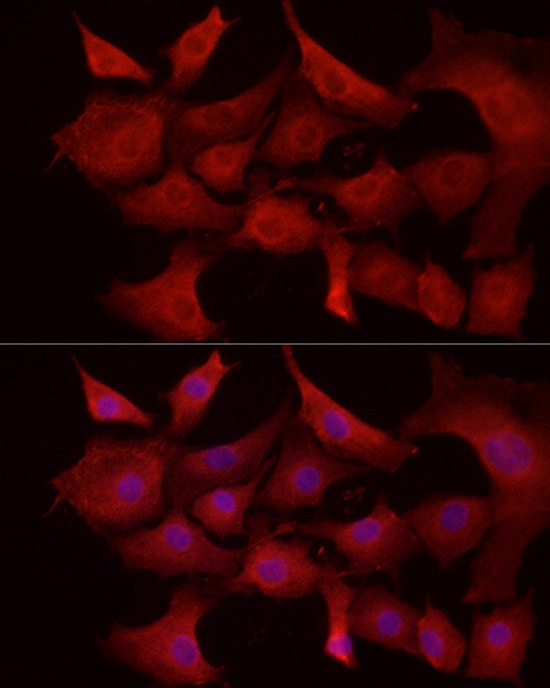
Scientists linked the connection between the MCL1 protein switch and tumor cells’ ability to self-destruct and efficiently use energy under harsh conditions (1). The MCL1 protein is part of the BCL2 protein family, which is known for the evasion of apoptosis (6). While MCL1 proteins are known for evading apoptosis, they keep cancer cells alive through the control of the mTOR protein channels (1). mTOR proteins are vital for cellular metabolism, which is a process where all the chemical changes in the cell provide energy and other cellular components for all essential processes in a cell (7). MCL1 controls these pathways, allowing for the synthesis and use of energy (1). As explained by Dr. Homade Elgendy, “our findings show that MCL1 is much more than just a survival factor for tumor cells. The protein actively intervenes in key metabolic and growth signaling pathways, thereby linking two fundamental cancer mechanisms” (1).
So, how does all of this research connect back to the understanding of cancer? Researchers have recently linked the MCL1 protein to the mTORC1 complex. This creates a deeper understanding of what MCL1 does inside the cell, allowing cancer to survive (1). Medications usually target the protein mTOR (1). The new understanding of cancer with the mTORC1 complex helps scientists understand the benefits of a treatment specifically targeting MCL1 (1). These findings inhibit both the MCL1 and mTOR proteins, significantly limiting cancer proliferation in the study at the University of Dresden (1). In recent tests and rat models, scientists were able to create a specialized diet to reduce the effects of heart-related diseases in patients while also slowing cancer growth (1). Scientists are continuously experimenting with their current understanding of how cancers and proteins interact. They continue to make strides in curing cancer. With the consistent battle against cancer and the limited information on protein switches, the medical community is beginning to build a basis for a cure. The vital protein switches were just discovered in 2026, but with increased testing, rat experiments, and pioneers of cancer research, it will only be a matter of time before we end the ongoing battle once and for all.
- Scientists uncover a hidden switch that helps cancer cells thrive. (2026). ScienceDaily. https://www.sciencedaily.com/releases/2026/01/260104202819.htm
- Davenport, J. (2001, March 26). Protein Switches That Won’t Sit Still [Review of Protein Switches That Won’t Sit Still]. Science. Protein Switches That Won’t Sit Still
- National Cancer Institute. (2021, October 11). What Is Cancer? National Cancer Institute; National Institutes of Health. https://www.cancer.gov/about-cancer/understanding/what-is-cancer
- Canadian Cancer Society. (2025). How cancer starts, grows and spreads. Canadian Cancer Society. https://cancer.ca/en/cancer-information/what-is-cancer/how-cancer-starts-grows-and-spreads
- WANG, R.-A., LU, Y.-Y., & FAN, D.-M. (2015). Reasons for cancer metastasis: A holistic perspective. Molecular and Clinical Oncology, 3(6), 1199–1202. https://doi.org/10.3892/mco.2015.623
- NCI Dictionary of Cancer Terms. (2011, February 2). National Cancer Institute. https://www.cancer.gov/publications/dictionaries/cancer-terms/def/bcl2
- National Cancer Institute. (2011, February 2). https://www.cancer.gov/publications/dictionaries/cancer-terms/def/cellular-metabolism. Www.cancer.gov. https://www.cancer.gov/publications/dictionaries/cancer-terms/def/cellular-metabolism
Images
https://www.cancer.gov/about-cancer/understanding/what-is-cancer
https://www.abclonal.co.kr/catalog-antibodies/MCL1RabbitpAb/A0434



Comments are closed.