
How do scientists detect asteroids, model their path, and why is it important?
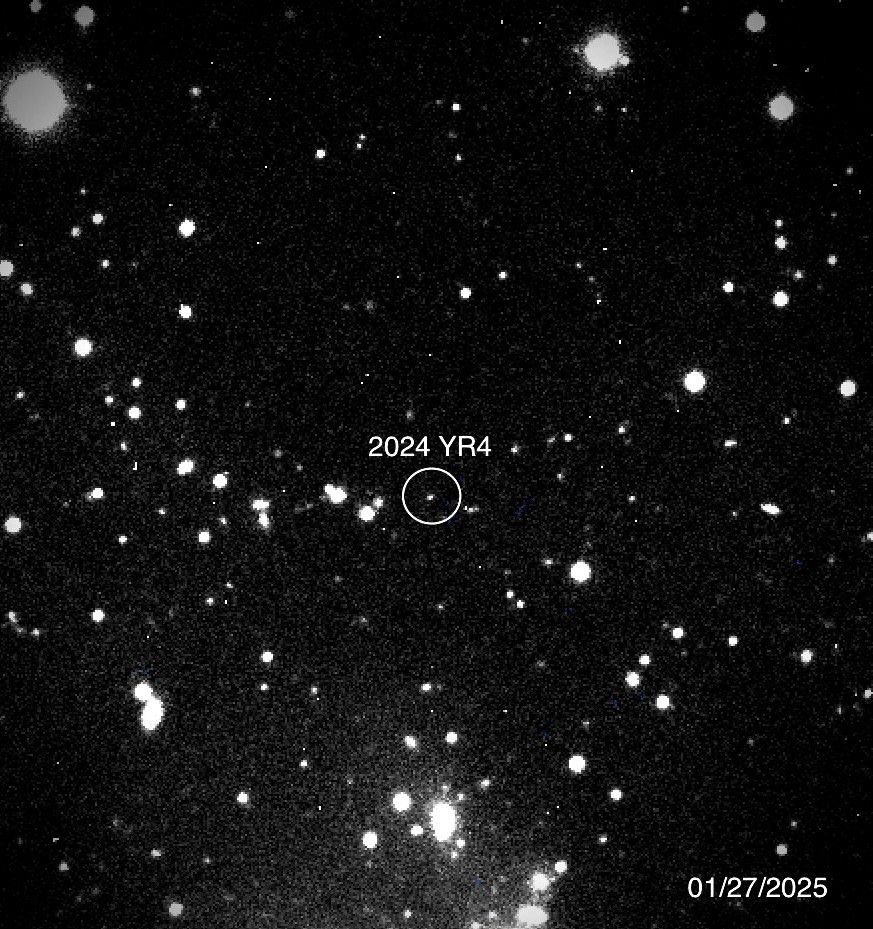
In 2024, scientists began tracking an asteroid known as 2024 YR4. Originally, researchers calculated that it would have a 1.3% chance of hitting Earth by 2032; however, as it got closer, they estimated over a 3% chance of contact. While this may not seem like a huge threat, the asteroid would cause mass destruction upon impact.
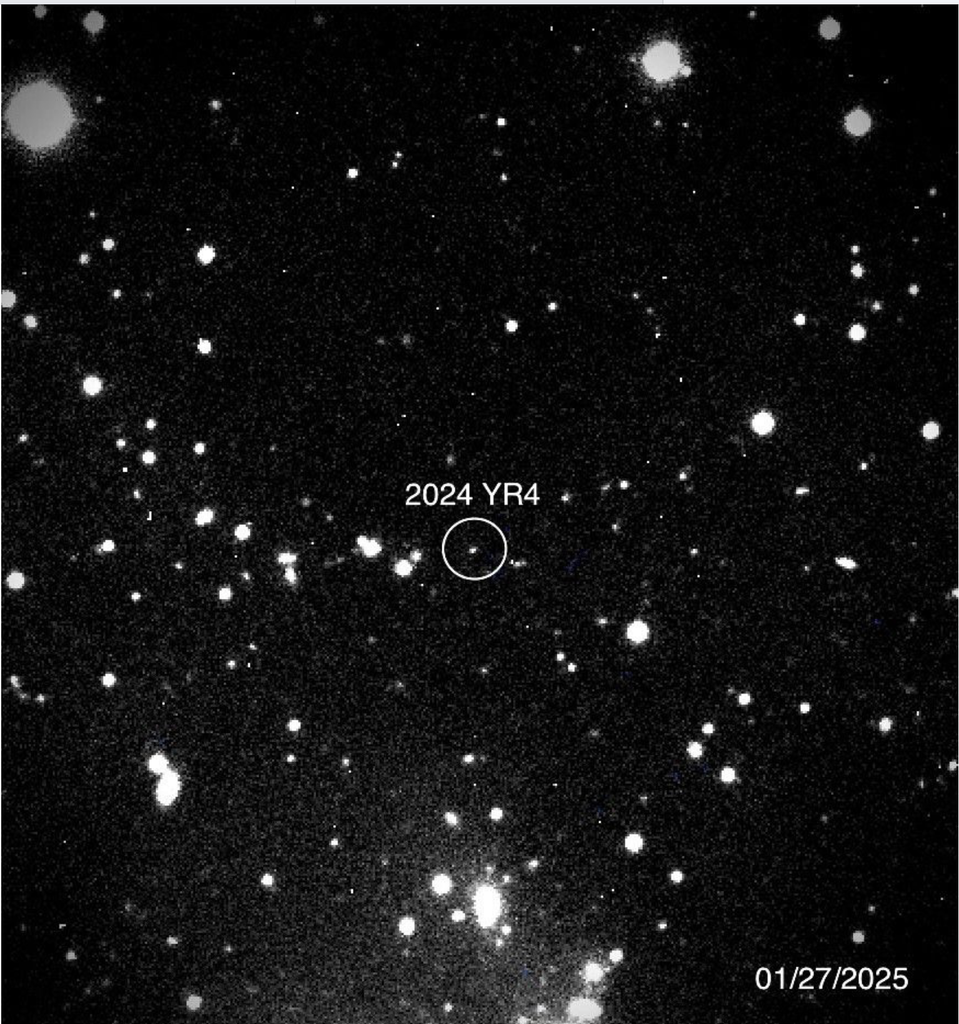
Estimated to be between fifty-three and sixty-seven meters wide, the asteroid, if it hit Earth, “would be about 500 times more powerful than the atomic bomb dropped on Hiroshima” (1). Fortunately, scientists now expect it to miss Earth by over 250,000 km and the Moon by over 20,000 km (1). However, how did scientists find out about this asteroid in the first place? After all, it was discovered eight years before coming near Earth, and its size is incredibly small compared to the vastness of space.
First, researchers must spot all nearby asteroids before analyzing them to see if they could hit Earth. Powerful telescopes used by astronomers all over the world are constantly taking photos of space (2). However, both stars and asteroids appear as bright dots. To tell the difference, scientists take many pictures of the same area where they believe the asteroid could be. Since stars are so large and far away, they would appear to be relatively stationary in all of the photos; however, if the speck of light changed its location, the small spark would be an asteroid, (3).
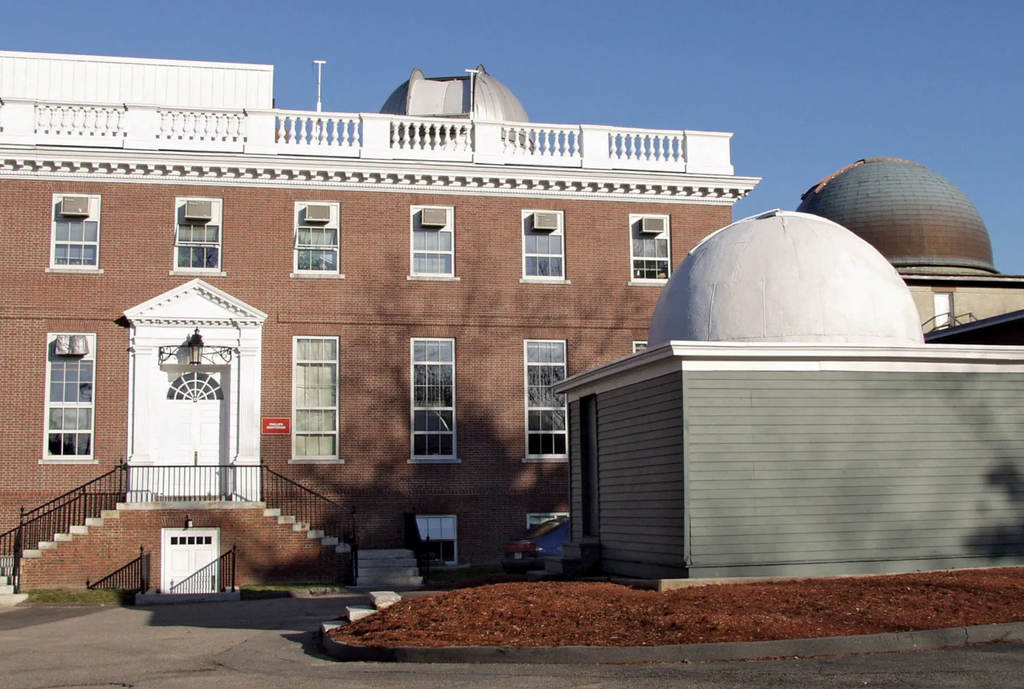
Next, scientists compile all asteroids discovered around the world together and classify them. Located in Cambridge, the Smithsonian Astrophysical Observatory is the main organization in charge of collecting all asteroid data. From there, any asteroid that could come within 120 million miles of the Sun is classified as a near-Earth object, or an NEO. All NEOs are watched extra carefully, and if its path looks worrying, the asteroid is reported to the Planetary Defense Coordination Office and the International Asteroid Warning Network. There, researchers continue to monitor it, update their prediction models, and calculate the risk of impact (2).
Overall, while asteroids such as 2024 YR4 may seem like a major threat to us, researchers all over the world are constantly working to find new meteors as well. Furthermore, as technology continues to advance, scientists will be able to identify asteroids faster and more accurately predict if any will possibly collide with Earth.
Bibliography:
- Gregersen, E. (2026, March 17). 2024 YR4, Britannica. https://www.britannica.com/place/2024-YR4
- Leese, L. (2025, April 10). How NASA Science Data Defends Earth from Asteroids, NASA.
- Agle, DC., Webster, G., Brown, D., Cantillo, L. (2017, June 16). How a Speck of Light Becomes an Asteroid, NASA. https://www.jpl.nasa.gov/news/how-a-speck-of-light-becomes-an-asteroid/
Image Citations:






Comments are closed.