
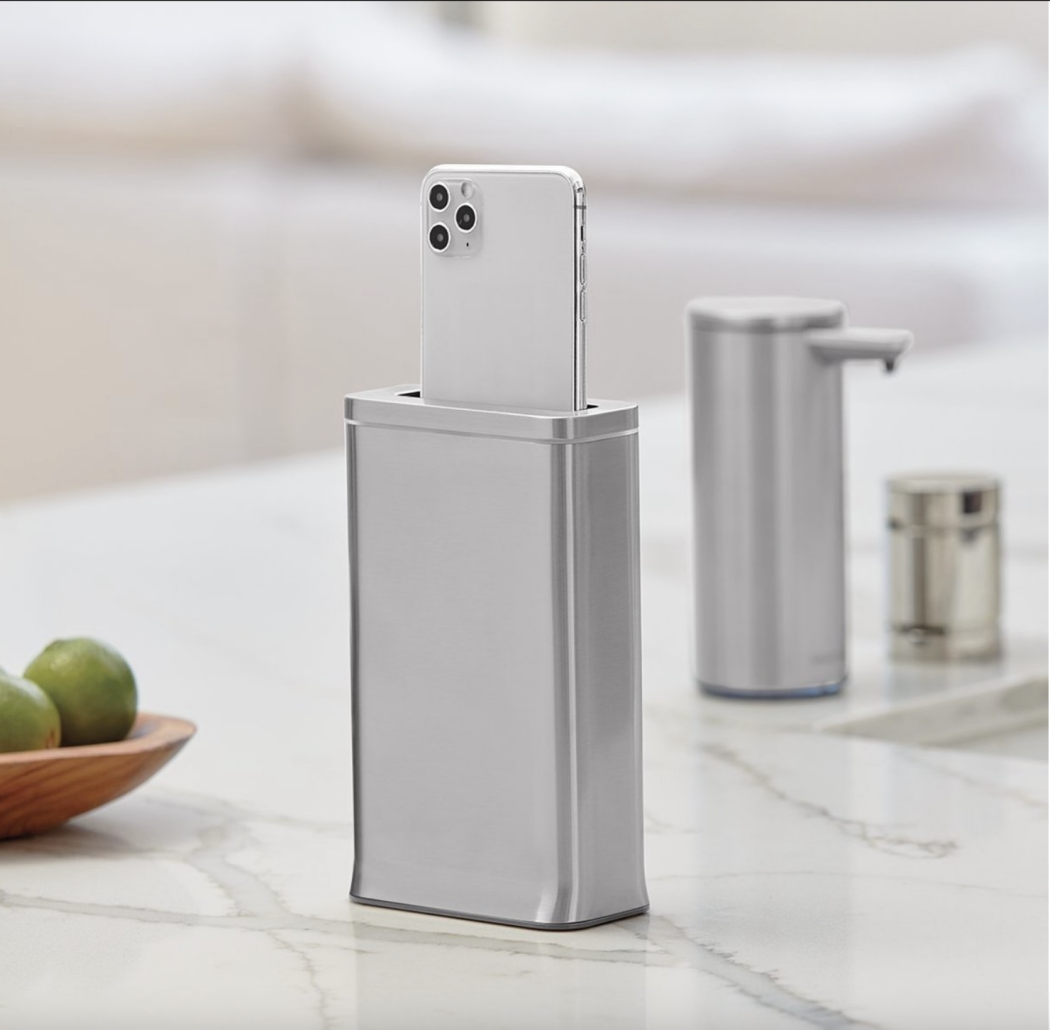
The device you touch dozens of times a day may be carrying thousands of microbes.
If you’re like the average American, your phone probably travels everywhere with you, touching nearly everything you touch along the way. You might even check your phone 47 times a day. (1) You might scroll websites while you eat, drop your phone on the floor, or even as you use the bathroom. And according to research cited by the University of Michigan, your phone might be ten times dirtier than a toilet seat (1).
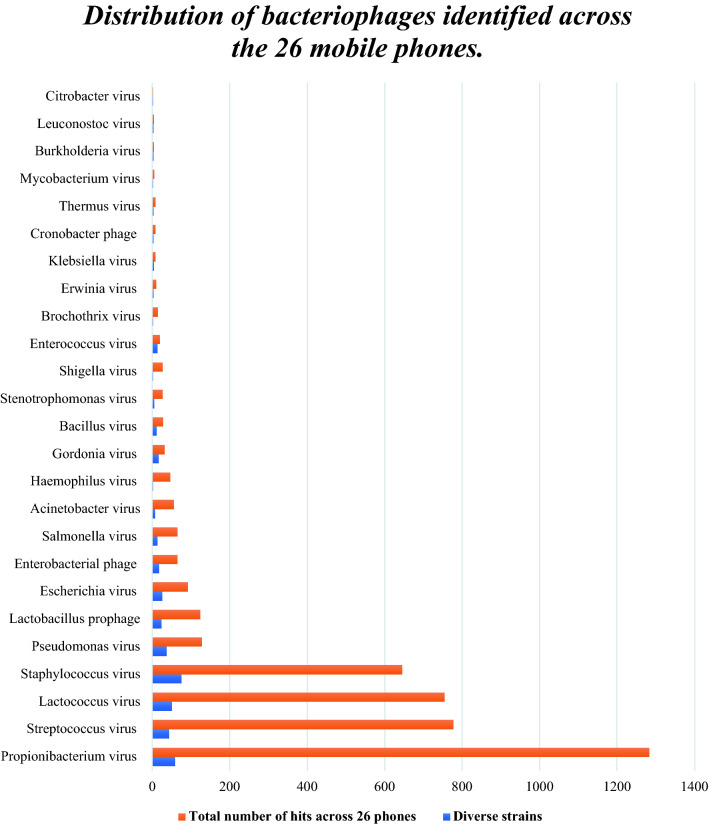
In a 2022 study published in Scientific Reports, ominously titled “Mobile Phones Are Hazardous Microbial Platforms Warranting Robust Public Health and Biosecurity Protocols,” researchers analyzed twenty-six mobile phones belonging to hospital staff and found microbial contamination on every device (2). Using DNA sequencing, the researchers detected a total of 11,163 microbial organisms on the phones, including bacteria, fungi, protists, viruses, and bacteriophages (2). The study cited previous research that had identified 155 bacteriophage operational taxonomic units (closely related viruses that cluster together), 134 antibiotic resistance genes (segments of bacterial DNA that can survive under medicine and antibiotics), and 347 virulence factor genes (pathogen DNA) on phones (2).
The biggest culprit in transferring germs to your phone is your finger, which readily transfers microorganisms each time you touch the device. The Scientific Reports paper cited a previous survey of healthcare workers in which 57% of respondents said they never clean their devices and 52% of respondents reported using their phones in the bathroom (2). Bathroom usage is concerning because flushing toilets can disperse dangerous bacteria, such as E. coli, onto nearby surfaces(1). Likewise, other studies of microorganisms on phones have detected potentially harmful bacteria like Streptococcus, E. coli, and Enterococcus faecalis as well as viruses like norovirus (3). These bacteria and viruses may cause skin infections, strep throat, gastrointestinal illnesses, vomiting, nausea, or pneumonia (3). When transferred from a phone to your skin, such germs can also increase the likelihood of acne and other skin issues (4).
Microbes on a phone do not necessarily make its owner sick; the actual risk depends on the microorganism, the method of transmission, and the overall health of the phone user. Those most susceptible to these infections include infants, seniors, and people with weakened immune function, though the overall risk for most people is generally considered to be low (3). However, in 2012, for example, a man in Uganda stole a phone from a hospital and later experienced symptoms of ebola, a possibly fatal disease, due to the contact with the phone (5).
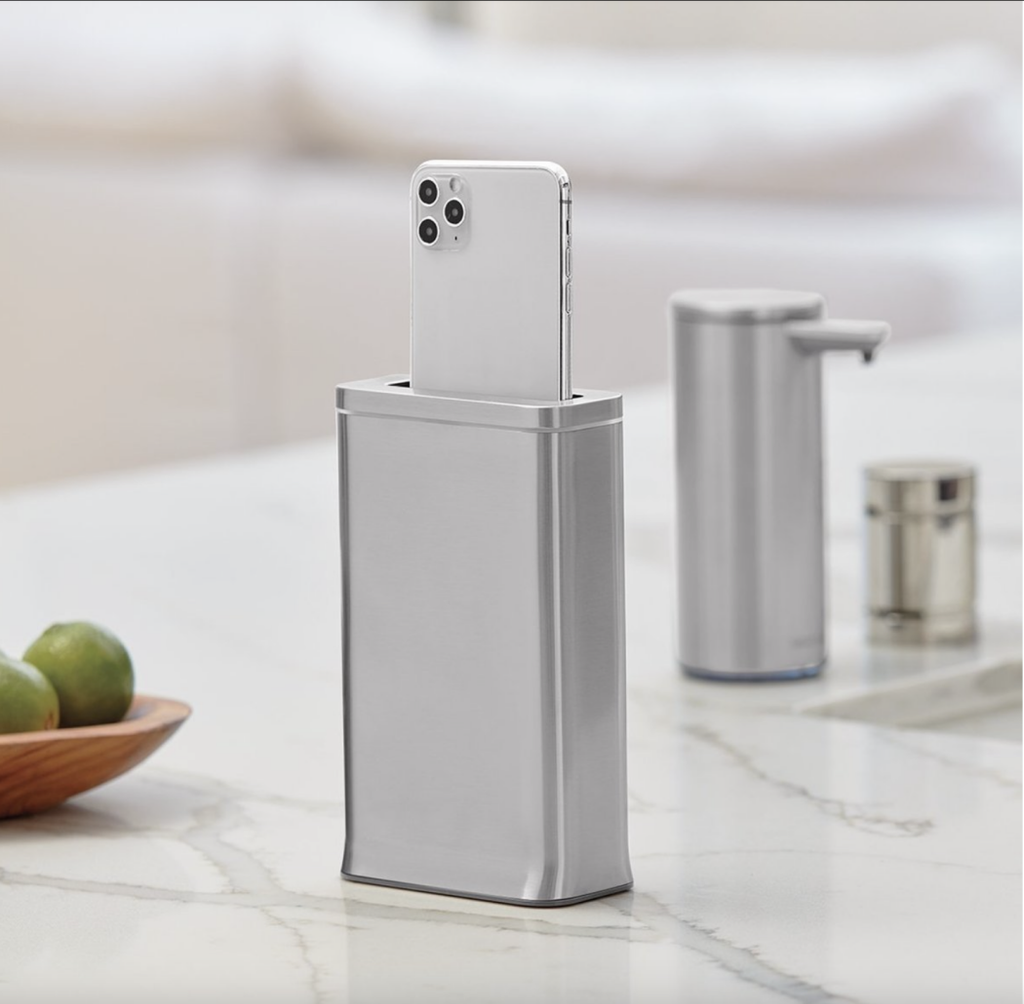
Luckily, there are many ways to combat the spread of germs on phones. Avoiding phone usage in the bathroom is a good first step (1). Additionally, using diluted vinegar or alcohol to clean your phone can help reduce microbial contamination. Northwestern Medicine recommends cleaning devices regularly and limiting how much you allow others to handle them (3). Finally, be cautious about letting your phone touch your mouth, face, or eyes, and wash your hands regularly to prevent germs from transferring between your phone, your hands, and your face. These simple habits can help keep your phone from becoming as germ-filled as the places it travels.
Bibliography:
- Martin, E. (2017, August 23). Your Cell Phone is 10 Times Dirtier than a Toilet Seat. Here’s What to Do About It, Institute for Healthcare Policy & Innovation. https://ihpi.umich.edu/news/your-cell-phone-10-times-dirtier-toilet-seat-heres-what-do-about-it.
- Mobile Phones are Hazardous Microbial Platforms Warranting Robust Public Health and Biosecurity Protocols, National Library of Medicine. https://pmc.ncbi.nlm.nih.gov/articles/PMC9199474/
- Cheairs, J. (2025, February 3). Keeping Your Phone Clean Can Help Prevent You From Getting Sick, Indiana University School of Medicine. https://medicine.iu.edu/blogs/indiana-health/Germs-That-Live-On-Your-Phones
- Can Your Phone Make You Sick? Northwestern Medicine. https://www.nm.org/healthbeat/healthy-tips/can-your-phone-make-you-sick
- Sowards, W. (2018, October 2). How Can a Phone Spread Germs and Viruses? Passport Health. https://www.passporthealthusa.com/2018/10/how-can-a-phone-spread-germs-and-viruses/.
Image Citations:




Comments are closed.