
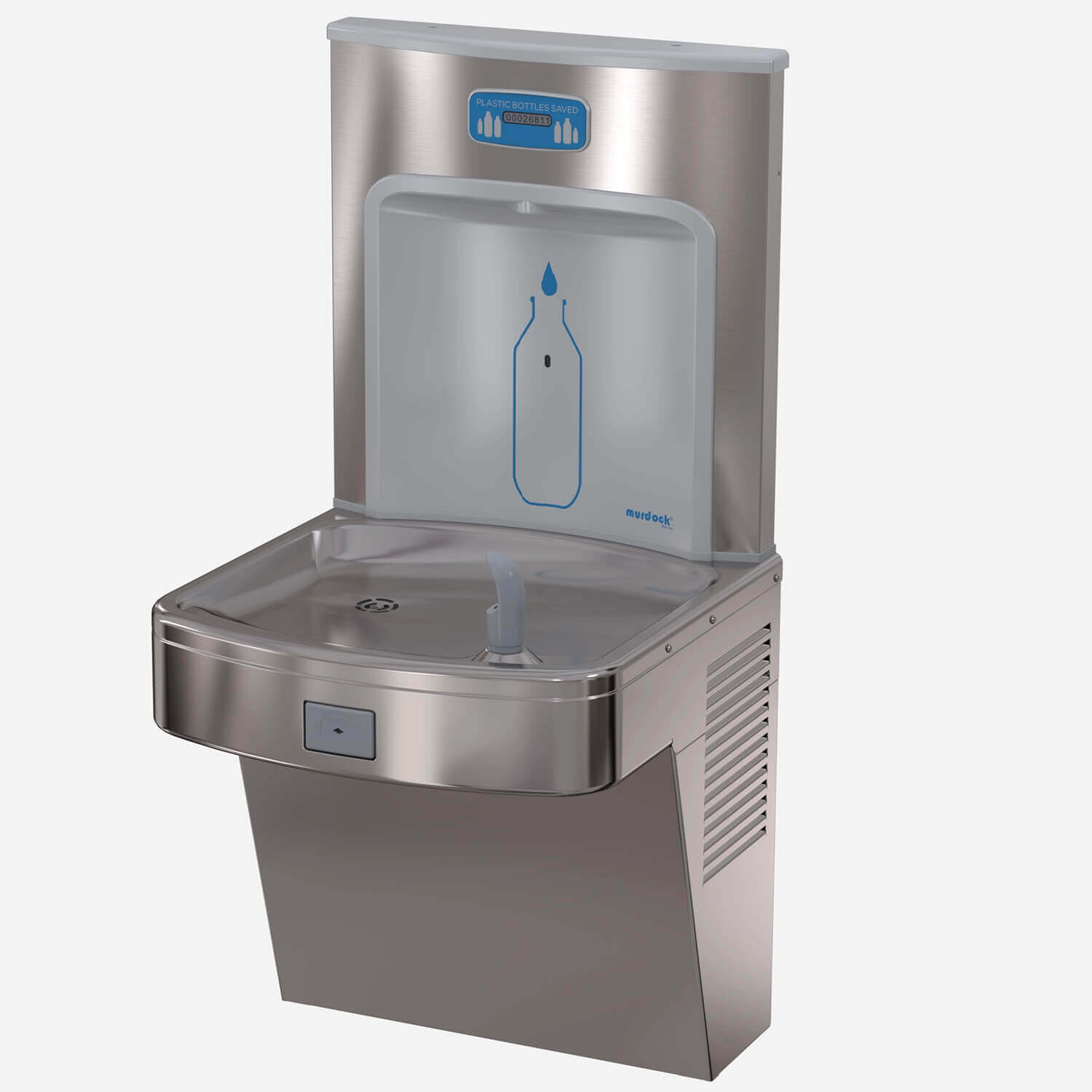
Are germs hiding in your water fountain?
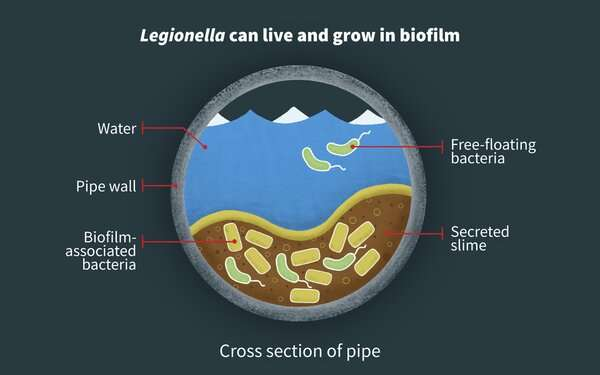
According to a poll by Gallup, 77% of Americans worry about clean drinking water, causing some to avoid using public water fountains (1). Are these concerns valid? Water safety is regulated by government agencies like the Environmental Protection Agency (EPA), state plumbing codes, and NSF/ANSI standards that specify how any component that touches drinking water, such as a pump or spout, must perform (2). Despite these safeguards, however, bacteria and viruses may still enter drinking water systems. For example, Legionella bacteria, which can cause severe and potentially fatal pneumonia, has recently been found in drinking water at the VA Loma Linda Healthcare System, prompting remediation measures and fear in the community (3). While household tap water is generally safe, the water sources, especially water fountains, in large buildings like hospitals and schools, are susceptible to contamination by bacteria like Legionella (4). Likewise, water fountains can spread viruses through high-touch surfaces like buttons and spouts (5). However, there are many public amenities, such as ATM keypads, shopping carts, and gas pump handles that harbor similar amounts of bacteria (7).
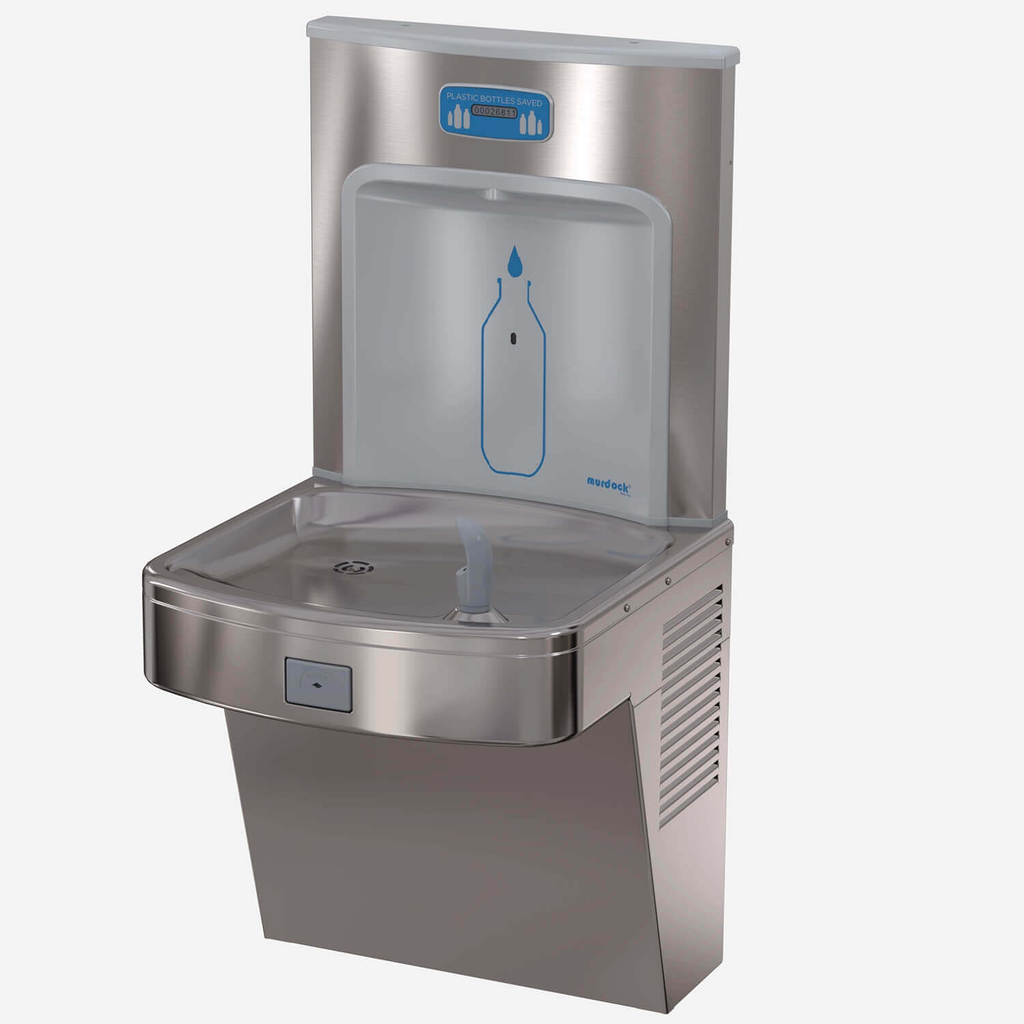
These concerns can have environmental consequences, as those who avoid water fountains may instead purchase plastic water bottlesgeneratingwaste. In response, bottle filling stations have become increasingly popular (6). These machines are more hygienic than traditional water fountains as they feature touch-free and antimicrobial technology and built-in filtration systems (6). Designed for reusable bottles, they reduce contact between the user and the fountain (6). These stations combine the safety and convenience of a personal water bottle with the planet-friendly features of a drinking fountain, making public water more convenient and hygienic. Ultimately, bottle filling stations offer a practical solution that provides a hygienic way to access drinking water and reduce public waste.
Bibliography:
- Lawrence, K. The Truth About Public Water Fountains, Aquasana. https://www.aquasana.com/info/the-truth-about-public-water-fountains-pd.html?srsltid=AU7gw4VY8G5MW1eklPsXaE96jAu3Y4S6AcJfkO-bmoOghTEj3atX0BBc.
- Oasis Hydration Team. (2026, February 2). Are Water Fountains Safe to Drink From? What Science and Standards Reveal, Oasis Coolers. https://www.oasiscoolers.com/blog/post/are-water-fountains-safe-water-quality-and-hygiene.html.
- Schwebke, S. (2025, March 9). Legionella Discovered in Water System at VA Loma Linda, testing ordered for pneumonia patients, The Orange County Register. https://www.ocregister.com/2025/03/09/legionella-discovered-in-water-system-at-va-loma-linda-testing-ordered-for-pneumonia-patients/.
- Water Quality Frequently Asked Questions, U.S. General Services Administration. https://www.gsa.gov/real-estate/water-quality-management/frequently-asked-questions.
- McNeil, D. (2015, September 4). Ask Well: What Diseases Can You Get from a Water Fountain? The New York Times. https://archive.nytimes.com/well.blogs.nytimes.com/2015/09/04/what-diseases-can-you-get-from-a-water-fountain/.
- Is It Safe to Drink from a Public Water Fountain? Thirsty Work. https://www.thirstywork.com/articles/is-it-safe-to-drink-from-a-public-water-fountain.
- Citron Hygiene. (2017, February 3). 10 Items That Have More Germs Than a Toilet Seat. https://citronhygiene.com/resources/10-items-that-have-more-germs-than-a-toilet-seat/.
Image Citations:




Comments are closed.