
The rise of bioprinted organs marks a new era in regenerative medicine
When you think of 3D printing, you probably picture little trinkets people make in the school makerspace. 3D printing is a technology that feels almost toy-like. However, the same process that prints keychains is also being used for something much more ambitious: the construction of human organs. How is that even possible?
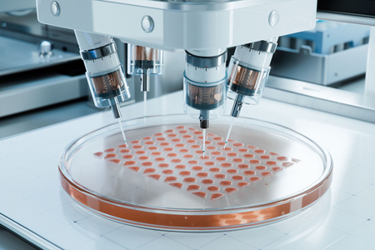
While 3D printing renders objects from plastic layer by layer, 3D organ printing creates organs from tissues. This technique is also known as bioprinting, which works by utilizing 3D printing technology to deposit bio-ink. This ink is composed of living cells and other biologically active materials that compound gradually to build an organ (1).
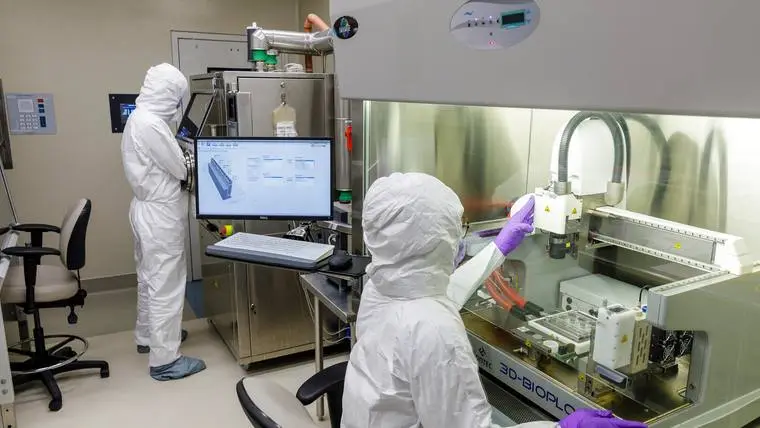
One of the reasons why this is so exciting is what it could mean for patients who need organ transplants. Right now, the entire transplant system depends on donors. The lists are never-ending, and oftentimes people wait months or years for a match. Even then, their body might reject the transplanted organ because it came from someone else (2). This rejection can occur due to several reasons, because your immune system is designed to react to any foreign tissue. Bioprinting may offer a real solution to the organ transplant dilemma.
Instead of relying on a donor, bioprinting only requires a small sample of the patient’s own cells. Typically, stem cells are used and grown in a lab to increase their number. Stem cells are the most important “ingredient” in this process, because they eventually differentiate and transform into specialized cells in your body, like heart cells, blood cells, bone cells, brain cells, or skin cells (3). Once a sufficient number of these cells have been replicated, they are mixed with the bio-ink, which provides structure and support for the cells during the 3D printing process (4). From there, a 3D model is created from imaging data, which then guides the printer to print a customized organ for the patient. Lastly, the printed structure is placed in a bioreactor that allows the tissues to mature properly (5).
In addition to potentially solving the organ transplant crisis, bioprinting may also impact pharmaceutical testing and disease modeling. We may no longer rely on small furry mammals to test medications or vaccines. Instead, researchers can use small pieces of bioprinted human tissue that more accurately reflect human systems (2). It may also help to personalize medicine. Researchers can use a patient’s own cells to print tissue models to tailor therapies to the individual. They can even test which medications might work best before treating the patient (6).
Bioprinting is still developing, and it will take years to achieve its potential. But what began as a technology for printing plastic objects is now opening so many doors in the medical world. This includes personalized medicine or safer drug testing, and especially a future where patients don’t die waiting for donor organs. As researchers keep refining this science, 3D printed organs can become a life-saving reality.
Bibliography:
- Ricci, G., Gibelli, F., & Sirignano, A. (2023). Three-Dimensional Bioprinting of Human Organs and Tissues: Bioethical and Medico-Legal Implications Examined through a Scoping Review. Bioengineering, 10(9), 1052. https://doi.org/10.3390/bioengineering10091052
- Cellink. (2024). The Potential of 3D Printed Organs. CELLINK. https://www.cellink.com/blog/3d-printed-organs/
- Whitaker, M. (2014). The history of 3D printing in healthcare. The Bulletin of the Royal College of Surgeons of England, 96(7), 228–229. https://doi.org/10.1308/147363514×13990346756481
- Cleveland Clinic. 2023. “Signs of Kidney Transplant Rejection.” Cleveland Clinic. August 14, 2023. https://my.clevelandclinic.org/health/diseases/21134-kidney-transplant-rejection.
- Leach, N. (2024, March 7). Woman given a new 3D-printed windpipe in a world-first. Www.sciencefocus.com. https://www.sciencefocus.com/news/breakthrough-3d-printed-organ-windpipe
- Mallya, D., Gadre, M. A., Varadharajan, S., & Vasanthan, K. S. (2025). 3D bioprinting for the construction of drug testing models-development strategies and regulatory concerns. Frontiers in Bioengineering and Biotechnology, 13. https://doi.org/10.3389/fbioe.2025.1457872
Images





Comments are closed.