
The Artemis II paves the way for a return to the lunar surface.
“But why, some say, the moon? Why choose this as our goal? And they may well ask why climb the highest mountain?” President John F. Kennedy made these remarks in 1967, telling the American public about his plan to put a man on the moon (1). Now, more than half a century later, his words are still embodied in the National Aeronautics and Space Administration’s (NASA) Artemis program.
So, what’s different this time? Well, for starters, we are no longer sending astronauts to space with a four-kilobyte computer to guide them (2). Instead, the Artemis missions feature NASA’s latest technology, including the Space Launch System (SLS), a rocket that provides 17% more thrust than the Saturn V rockets that powered the Apollo Missions (3). At the core is also the new Orion capsule, developed by the European Space Agency, housing four astronauts instead of three (4). A few things are the same, though: the launchpad, 39B, was used to launch Apollo 10 to the moon 57 years ago (5).
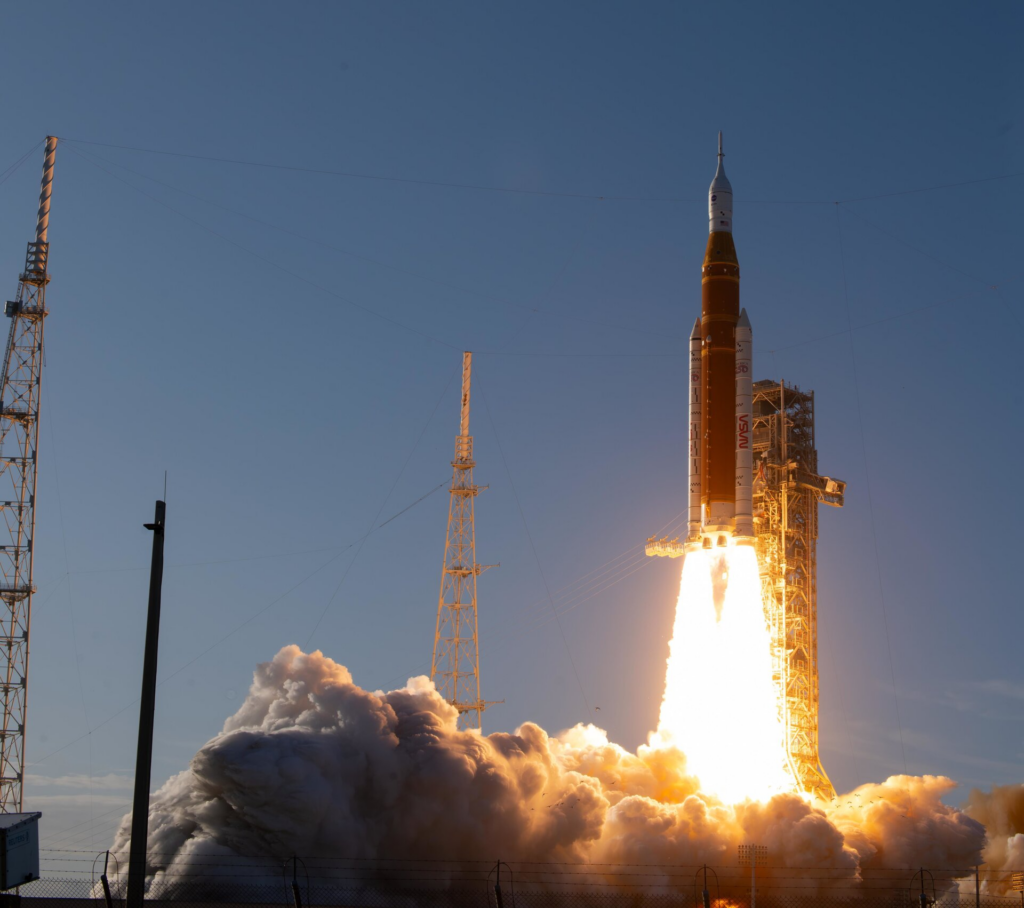
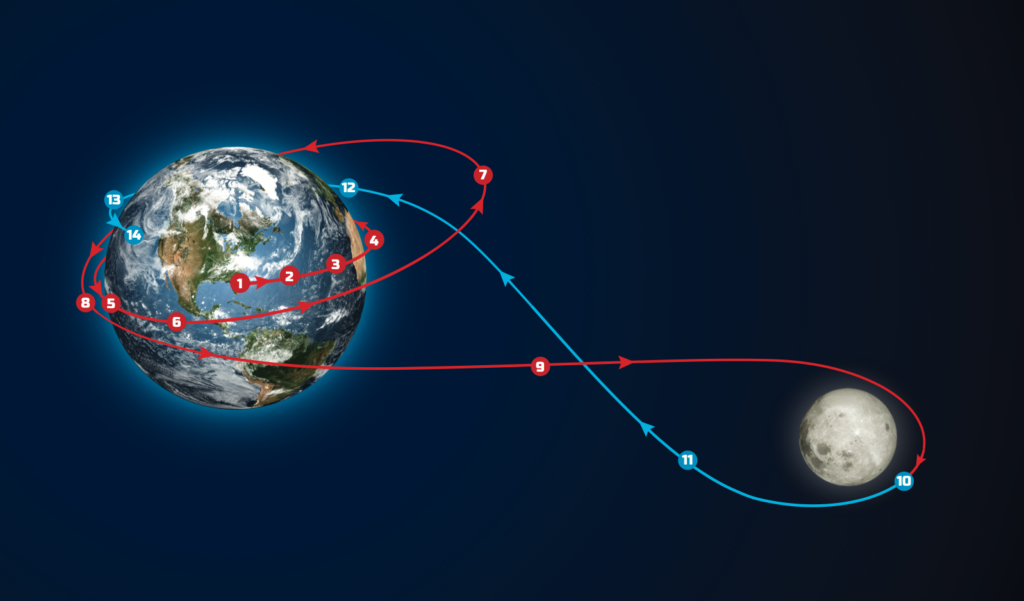
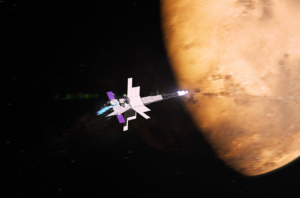
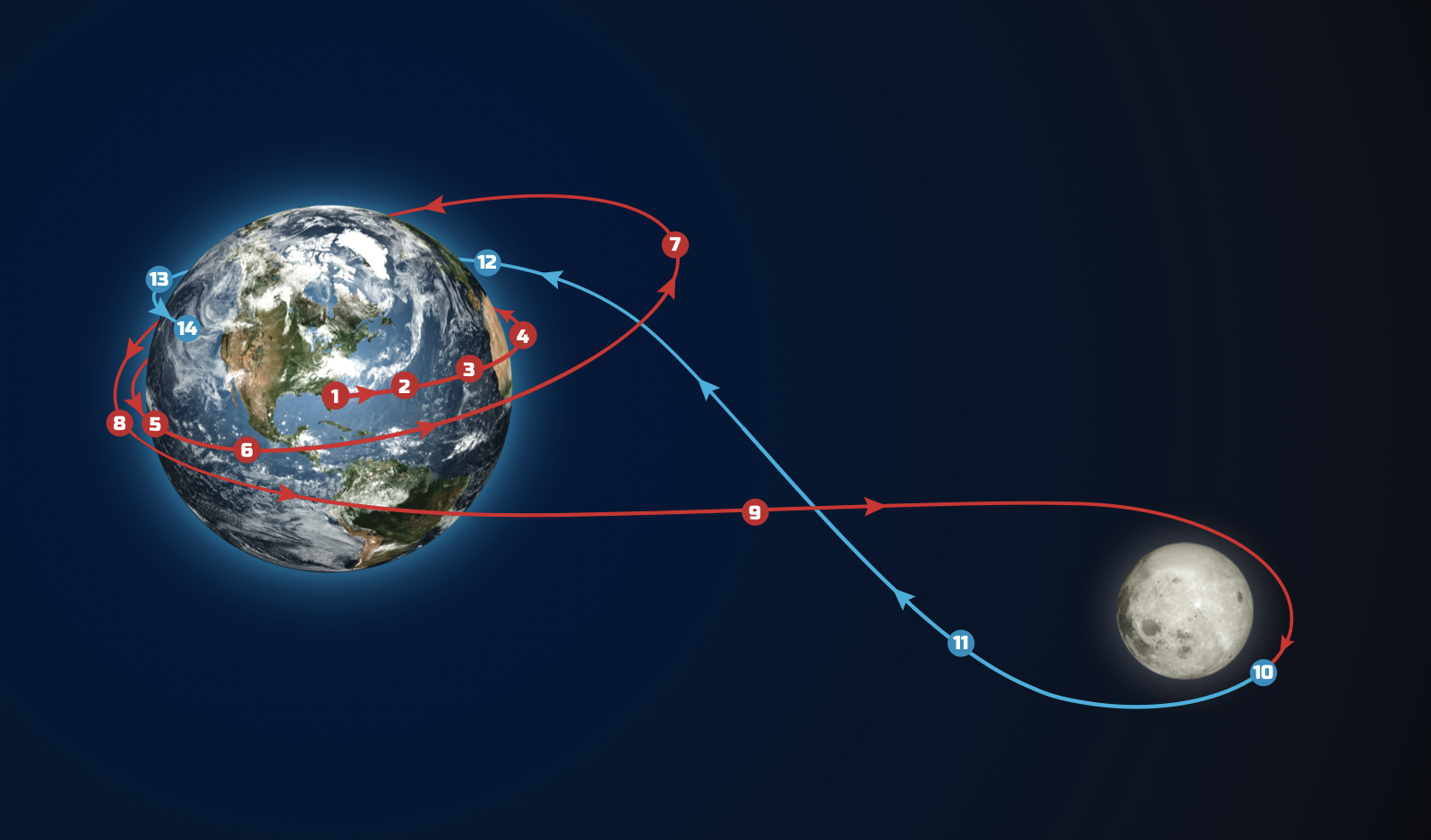
Another similarity to Apollo 10, Artemis II was a test flight, building off of the unmanned Artemis I mission in 2022 (6). Through its ten-day journey, Artemis II’s crew not only became the farthest humans from Earth ever, flying past the far side of the Moon, but they also tested Orion’s life-support, manual piloting, communications, and many other systems, demonstrating that they can function correctly (7). They even contributed to studies about human behavior in space (7)!
Artemis III and IV will build on these successes, launching in 2027 and 2028 (8). So, although Artemis II might not be the “one great leap for mankind,” it certainly is a not-so-small step for our return to the Moon.
Bibliography:
- John F. Kennedy Speech. (2026). Rice University. https://www.rice.edu/jfk-speech
- Fisher, L. (2009, July 22). What tech would the Apollo 11 mission have today? BBC Science Focus Magazine. https://www.sciencefocus.com/space/what-tech-would-the-apollo-11-mission-have-today
- SLS Infographic – NASA. (2026, February 19). NASA. https://www.nasa.gov/image-detail/sls-5599-infographic-section-3-of-3-meet-the-rocket-jan2026-3/
- Artemis II. (2026). Esa.int. https://www.esa.int/Science_Exploration/Human_and_Robotic_Exploration/Orion/Artemis_II
- Launch Pad 39B – NASA. (2023, April 13). NASA. https://www.nasa.gov/humans-in-space/exploration-ground-systems/launch-pad-39b
- Artemis I – NASA. (2023, February 27). NASA. https://www.nasa.gov/mission/artemis-i/
- Artemis II mission: What to expect (Live mission updates). (2026). The Planetary Society. https://www.planetary.org/articles/artemis-ii-what-to-expect
- Moon to Mars | NASA’s Artemis Program – NASA. (2022, December 5). NASA. https://www.nasa.gov/humans-in-space/artemis/
Images:



Comments are closed.