
How antibiotic resistance works and its effects on medicine today
Imagine a world where a mild infection like strep throat could be deadly. Thanks to modern medicine and antibiotics, this is unlikely, but there were times when small bacterial infections were very dangerous, possibly carrying a death sentence. Antibiotics are medicines that fight bacterial infections in people or animals. They work by killing bacteria or stopping them from growing or multiplying. Antibiotics can come in many forms, including topical treatments like creams, pills, liquids, or injections in serious cases, though not all bacterial infections require antibiotics (1). While antibiotics are very effective, they are not permanent and can lose their efficacy over time.
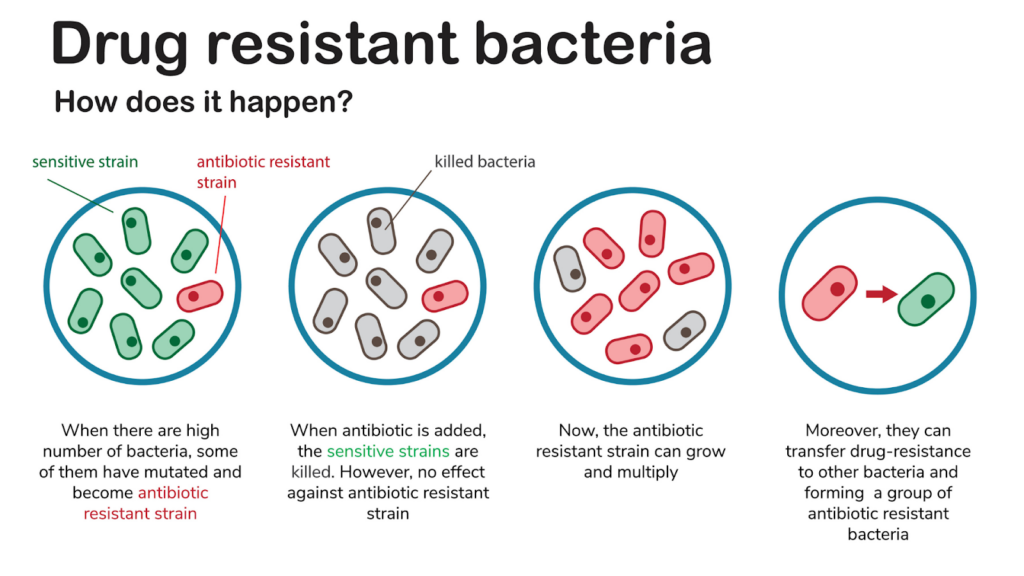
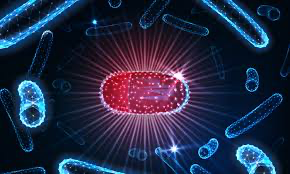
Antibiotic resistance is when antibiotics may stop working against bacteria they were once able to kill. This happens when the bacteria develop ways to survive exposure to antibiotics, making the infection much more difficult to treat (2). When resistance develops, fewer antibiotics can fight against the bacteria, which can delay recovery and sometimes make illness worse; in some cases, doctors may need to use stronger drugs that could be less effective or more expensive (3).
Antibiotic resistance can occur for various reasons, including overuse, misuse, or stopping treatment, which ultimately allows bacteria to grow more (3). Bacteria can reproduce very quickly, and random mutations occur (4). When antibiotics are used, susceptible bacteria are quick to be killed, but the resistant ones can stay and multiply (4). When antibiotics are taken improperly, bacteria are exposed to the drug without being fully eliminated, increasing the chance that resistant strains will grow even more (4). People who are more susceptible to antibiotic resistance include babies, infants, the elderly, people experiencing homelessness, and those who use antibiotics long-term, as they may face more frequent infections.
Antibiotic resistance poses a serious threat to modern medicine. Bacteria can rapidly evolve adaptive mechanisms to pass antimicrobial agents meaning healthcare workers have to work harder to treat certain infections (3). Many medical problems, such as surgeries, cancer treatments, or transplants, rely on antibiotics to prevent or treat infections after procedures. If antibiotics no longer work, these procedures could become complicated and dangerous (5). Resistant infections would also lead to longer hospital stays, resulting in higher medical costs or increased risk of death. Additionally, resistant bacteria can easily spread between people, making antibiotic resistance a broader public health concern rather than just an issue for an individual patient.
Antibiotic resistance can seem frightening, but there are easy ways to prevent it from happening. Practicing hygiene, especially handwashing, properly using antibiotics when needed, and getting the correct vaccines are a few small steps that go a long way to prevent the occurrence of resistance. Without careful use and continued research, infections that are easily treated could become more life-threatening, but by following instructions from medical professionals and taking extra good care of oneself, it can easily be combatted.
Bibliography
(1) MedlinePlus. Antibiotics. U.S. National Library of Medicine. https://medlineplus.gov/antibiotics.html
(2) National Foundation for Infectious Diseases. Antibiotic resistance. https://www.nfid.org/antibiotic-resistance/
(3) Cleveland Clinic. Antibiotic resistance: What it is, complications & treatment.https://my.clevelandclinic.org/health/articles/21655-antibiotic-resistance
(4) George Washington University Online Public Health. Antibiotic resistance at the cellular level.https://onlinepublichealth.gwu.edu/resources/antibiotic-resistance-at-cellular-level/
(5) Cleveland Clinic. Antibiotics: What to know. https://my.clevelandclinic.org/health/treatments/16386-antibiotics





Comments are closed.