
Will We Be Able To Restore and Continue the Protection of Coral Reefs?
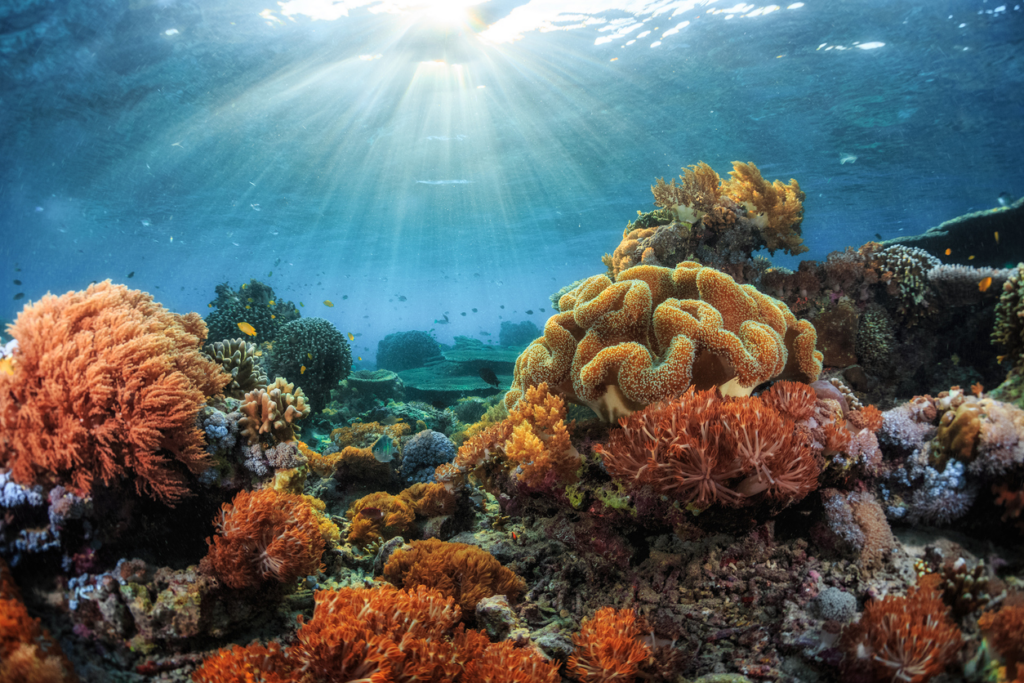
Did you know that the world has already lost between 30% and 50% of its coral reefs (1)? Even more alarming, scientists estimate that we are currently on track to lose up to 90% of coral reefs by 2050 and possibly the remainder by the end of the century (2).
Beyond serving as shelter and habitat for many marine species, coral reefs support food security, livelihoods, cultural practices, and a variety of economic benefits by hundreds of millions of people. Because of their ecological and economic value, coral reefs contribute about $10 trillion a year globally and more than $3 billion a year domestically to the economy.
However, due to rising ocean temperatures, dehydration, ocean acidification, pollution, invasive species, ship groundings, and storms, coral reefs are increasingly damaged and threatened (1). These factors have negatively affected and put pressure on the coral reefs, making corals and marine conservation efforts urgent (3).
In an attempt to restore coral reefs, the 2025 United Nations Conference incorporated coral reef conservation into worldwide climate action plans and sustainable strategies. Since the implementation of these initiatives last June, there have been significant improvements in coral reef restoration. One example, the company Coast3D Reefs has been creating 3D-printed reef modules out of recycled concrete or beach sand designed to support a variety of species and ecosystems. Another project in the Netherlands gives over 100 reef units a second life in Oostvoornse Lake. These reef units, collectively known as “Goby Reef,” are located four to six meters below the surface, and have porous surfaces and built-in shelter areas, attracting mussels, algae, and fish. This design boosts biodiversity and coastal resilience. The project was inspired by Pacific atolls and tested in wave simulations at Deltares, an institute focusing on water, soil, and subsurface research. In early 2025, a 15-square-meter custom-designed reef collection was installed next to natural corals in the Red Sea to support the repopulation of marine species and other corals (2).
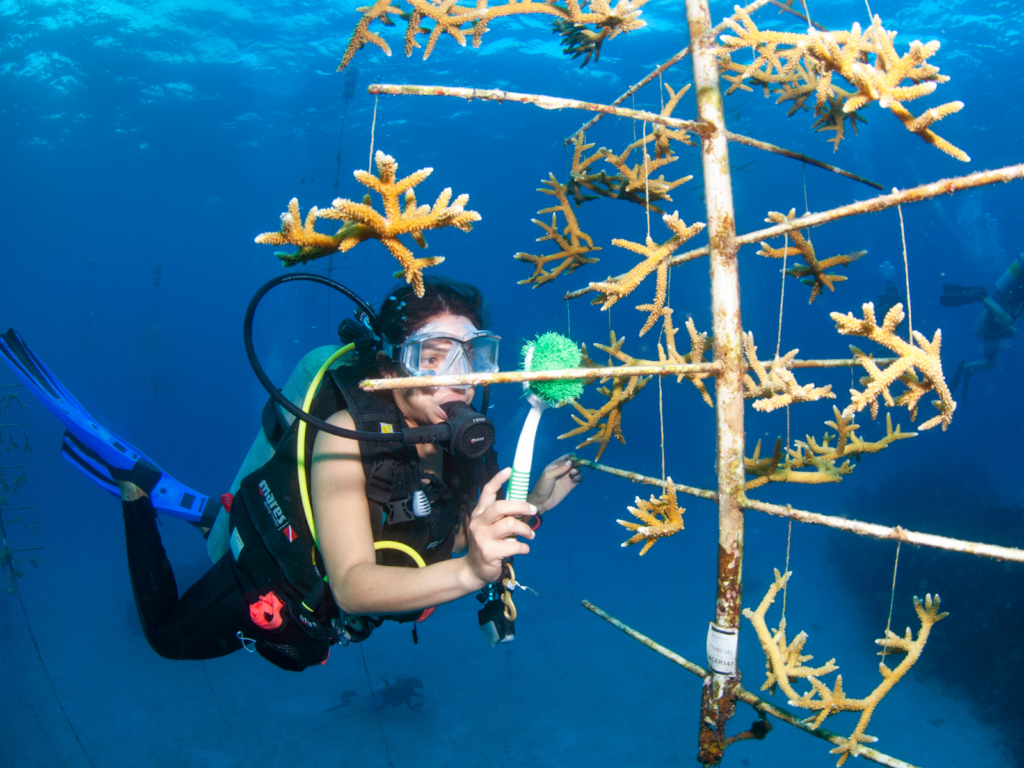
Similarly, The Office of Habitat Conservation’s NOAA Restoration Center works on coral restoration by planting nursery-grown (ecosystems cultivated by growing coral fragments in protected environments) corals back onto reefs. This ensures the habitat is ideal for natural coral growth and builds resilience to climate change. More than 20 coral nurseries are active throughout the Caribbean, collectively providing over 40,000 healthy corals for reef restoration through the region each year. By removing invasive species such as non-native algae and responding to emergency incidents through a contract-based emergency response system to address ship groundings and physical effects on coral reefs, NOAA has saved up to tens of thousands of corals (1).
Beyond coral reefs, other marine ecosystems have been threatened by overfishing, coastal development, pollution, ocean acidification, and the introduction of non-native species. For this reason, there are many marine sanctuaries that offer legal protection and strict environmental management. The Florida Keys National Marine Sanctuary, for example, contains the largest living coral reef in North America (4). The sanctuary provides long-term, specialized care for the marine species and environment.
Likewise, Green. Earth has created a plan to protect coral reefs and marine ecosystems around the world (4). Recommended actions include the following: recycling and correct disposal of trash, using fertilizers sparingly, and reducing stormwater runoff by installing rain gardens to collect rainwater and protect water resources (3).
Although coral reefs cover less than 1% of the ocean floor, they support over a quarter of all marine life, protect over a quarter of coastal infrastructure, and provide services worth almost $10 trillion a year (2). Despite ongoing conservation initiatives to protect marine ecosystems, there is still a significant gap in the resources and efficiency needed (1).
Bibliography
- NOAA Fisheries. (2026). Restoring Coral Reefs. NOAA. https://www.fisheries.noaa.gov/national/habitat-conservation/restoring-coral-reefs
- Ocean Science in Action: Innovating to Protect and Restore Coral Reefs. (2021). UN Decade on Restoration. https://www.decadeonrestoration.org/ocean-science-action-innovating-protect-and-restore-coral-reefs
- Editor. (2021, March 9). Marine ecosystems conservation. Green.earth; Green Earth Group NV. https://www.green.earth/blog/marine-ecosystems-conservation
- Protecting Marine Ecosystems. (2024). Nationalgeographic.org. https://education.nationalgeographic.org/resource/protecting-marine-ecosystems/
Images






Comments are closed.