
The science behind sourdough
Sourdough bread feels simple at first glance: just flour, water, and time, but every slice carries a deep flavor shaped by the living microbes that transform the dough into something rich. Sourdough starter is a living mix of flour and water in which wild yeast and bacteria grow, creating a distinct flavor and texture (1, 2, 3). These microbes come from flour, air, and hands, where everyday contact transfers tiny naturally occurring bacteria from skin to the mixture, and then multiply to create gas that lifts the dough while producing flavor compounds that shape the final loaf (1, 3).
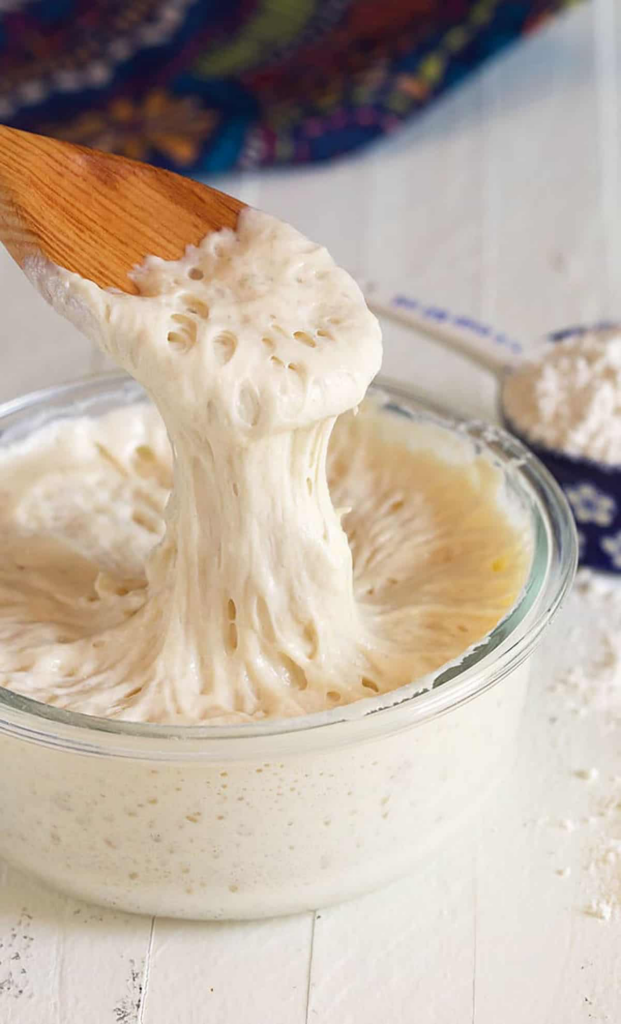
Yeast converts sugars into carbon dioxide and ethanol, while bacteria produce acids that help preserve and shape the taste of the bread (1, 2). In mature starters, lactic acid bacteria often outnumber yeast cells by about a hundred to one, shifting the balance of fermentation and shaping the dough more through acidity than rise (1, 3). Then, water activates flour proteins, glutenin and gliadin, which form a network that traps gas bubbles, giving the dough strength and stretch (1, 3).
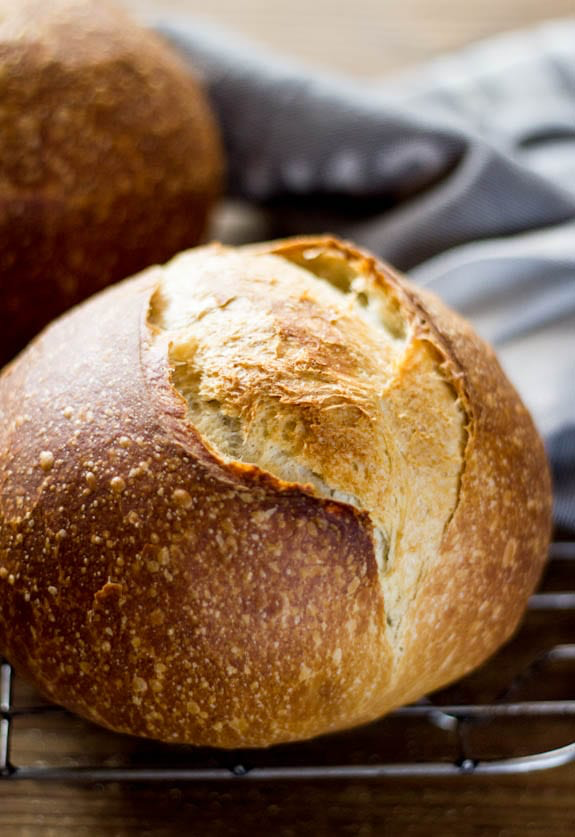
Although the commercial yeast in most bread works faster because it uses a single strain designed for rapid fermentation, sourdough develops a more complex flavor because of its microbial variety (1, 2). Homofermentative bacteria produce softer, cereal-like notes by converting sugars into lactic acid, while heterofermentative strains add sharper, vinegar-like flavors and acidity through producing a mixture of acids (1, 2). This combination gives sourdough that tangy lift and a soft bite that makes each slice feel fresh and alive. Furthermore, lactic acid lowers pH, protecting dough from harmful microbes and increasing shelf life after baking. Additionally, the head triggers browning reactions that deepen the crust color and add aroma to the finished loaf (1, 2, 3). Stable starters continuously adjust to feeding and temperature, keeping even long-kept starters active and ready to rise with the same energy as the first day (2, 3).
Bibliography:
- Chin, T. (2020, May 18). The science of sourdough starters. Serious Eats. https://www.seriouseats.com/sourdough-starter-science
- Harvard Online. (2025, January 15). Knead to know: Unlock the secrets of sourdough. https://harvardonline.harvard.edu/blog/secrets-sourdough
- Alder, D. (2020, June 24). The science behind sourdough. Your Sourdough Start. https://yoursourdoughstart.com/science-of-sourdough-bread/




Comments are closed.