
Scientific and social factors that influence the consumption and effects of energy drinks
Hsss…a high school student pops open their second bottle of Monster Energy of the day. As they take a sip, the cold beverage flows through them, leaving a slight tingle from the CO2 burning their throat. In addition, there is a sugary aftertaste and a desperate need for energy as they get ready for their afternoon reading quiz. For the average high school student and the 34.5 million energy drink consumers in the United States, energy drinks temporarily revitalize the body with the thrill of caffeine and sugar, but this is followed by the energy crash that ensues.
Energy drinks typically contain large amounts of caffeine and sugars that far exceed those in a regular cup of black coffee. Such an excessive amount triggers rapid spikes in blood, glucose, adrenaline, and cortisol, temporarily masking fatigue. To counter the spike, our body produces insulin to reduce blood sugar, metabolize caffeine, and ultimately experience a sleep-promoting chemical rebound. This “jolt-and-crash” is especially pronounced for adolescents as their sleep cycle and metabolic rhythms are more sensitive than those of adults (1). With a sharp drop in energy levels, fatigue intensifies, focus diminishes, and irritability rises. If the initial purpose of consuming an energy drink was to enhance focus, the ensuing crash inhibits and undermines performance.
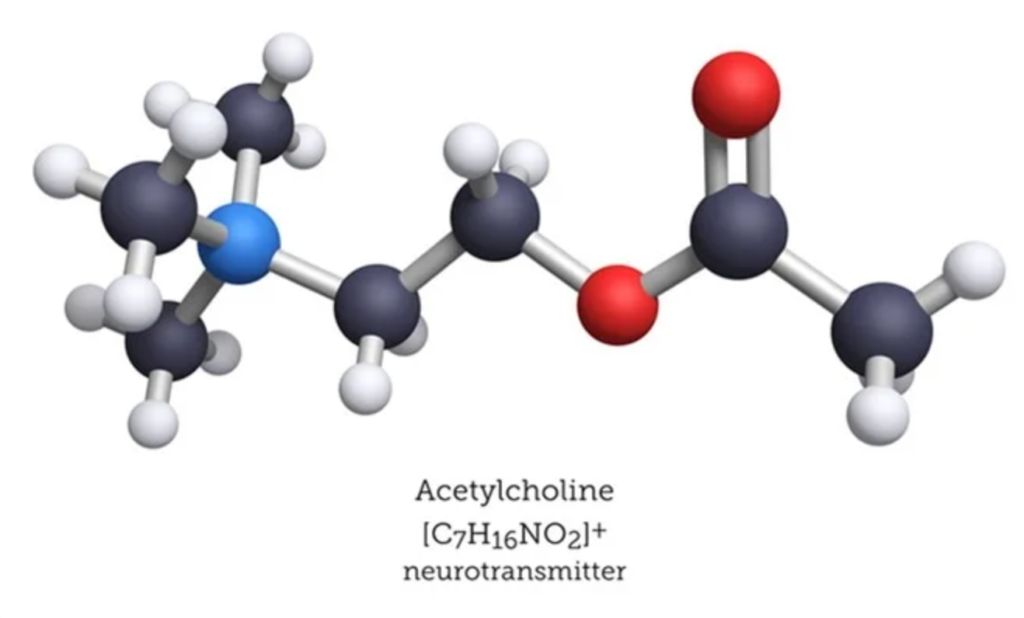
Excessive caffeine intake can also lead to other long-term consequences, especially affecting perceptual memory and cognition. This is because a high dosage of caffeine leads to an increase in hippocampal acetylcholine (ACh) (2). ACh is a neuromodulator involved in the regulation of attention, memory formation, and the stress response. Neuromodulators initiate various receptors and organize synaptic pathways (3). Long-term high doses of caffeine impair the replay of memories, motor skills, and learning capacities (4). On top of this, it also inhibits a process in the hippocampus called neurogenesis, which directly affects neural tissue repair and drastically slows cell renewal in the brain. In the long run, this means that adolescents become more “sluggish” in response to learning and experience increased brain fog.
Studies on the chemical and biological effects of caffeine on the body are not new; however, the rise of energy drinks has been a fairly recent occurrence made possible by extensive social media advertisement. A pediatric endocrinologist at John Hopkins Hospital estimates that one third of the population in the U.S between the ages of 12 and-17 years old consume energy drinks (5). Contrary to popular belief, the surge in caffeine consumption in teens does not stem from the desire to stay awake. Instead, it is strongly shaped by less visible influences. One major factor stems from the effectiveness of targeted marketing through digital media. Energy drink companies design diverse and vibrant packaging with oversized lettering and trendy fonts that directly appeal to adolescents (6).
While it is unreasonable to avoid energy drinks completely, it is important to understand the scientific and social mechanisms driving consumption. For adolescents, the underlying impact on health and performance is particularly prominent. However, there is nothing wrong with a little indulgence from time to time.
Bibliography:
- Costantino, A., Maiese, A., Lazzari, J., Casula, C., Turillazzi, E., Frati, P., & Fineschi, V. (2023). The dark side of energy drinks: a comprehensive review of their impact on the human body. Nutrients, 15(18), 3922
- Persad, L. A. B. (2011). Energy drinks and the neurophysiological impact of caffeine. Frontiers in neuroscience, 5, 116.
- Dobryakova, Y. V., Bolshakov, A. P., Korotkova, T., & Rozov, A. V. (2025). Acetylcholine in the hippocampus: problems and achievements. Frontiers in Neural Circuits, 19, 14
- Persad, L. A. B. (2011). Energy drinks and the neurophysiological impact of caffeine. Frontiers in neuroscience, 5, 116.
- Green , S., & Hernandez, R. (2025). Energy Drinks and kids: What you need to know | Johns Hopkins Medicine. https://www.hopkinsmedicine.org/health/wellness-and-prevention/energy-drinks-and-kids
- University, T. (2025). From brand to ban: What young people really think about energy drinks. From Brand to Ban: What Young People Really Think About Energy Drinks | Media centre | Teesside University. https://www.tees.ac.uk/sections/news/pressreleases_story.cfm?story_id=8856
Images:





Comments are closed.