
Understanding how hypnosis works and its growing role in healthcare and therapy
Imagine having complete control of your body one moment, and the next you’re dancing on stage without even realizing. This is what most people think of when they think of hypnosis: being put under a spell by a magician without control over your actions. However, in reality, that’s not exactly what hypnosis is or how it works. So what really is hypnosis? How does it work? Are there any ways people can use it for their benefit? Is it dangerous? Are the performances of it on stage even real?
Hypnosis is a state of consciousness involving deep relaxation and concentration, in which a person becomes less aware of their environment because they are focused on thoughts, feelings, or imagery. This contrasts with the common myth that someone is fully unconscious during hypnosis. Although hypnosis is often seen as a party trick, it can also be used as a therapy to help with different medical conditions or issues (1). It is a type of complementary therapy, meaning it mainly supports traditional therapy or medicine. During hypnotherapy, certified professionals called hypnotherapists guide someone through mental exercises using verbal cues, imagery, and repetition to induce a hypnotic state. The heightened focus and concentration during hypnosis make it easier to change habits, emotions, and behaviors. These sessions normally last about an hour, and it sometimes takes a few sessions to see results, depending on the person and their goals.

So what do hypnotherapists really do at these sessions? As previously described, they guide patients through exercises to help them relax and focus. These activities cover the first two of the four stages of hypnosis: induction and deepening; the other two are suggestion and emergence. Induction, the first stage, is when the patient starts relaxing. A common method used to encourage relaxation is having individuals focus on a specific scene or image described verbally by their therapist. Patients may also be asked to take slow, deep breaths while tensing and relaxing their muscles, a technique called progressive muscle relaxation. The next stage, deepening, is similar to induction. While imagery is still encouraged, deepening focuses on increasing concentration and relaxation through calming mental images, such as getting into bed or walking down stairs. These two stages prepare people for the next stage, suggestion. The hypnotherapist continues to use verbal cues and imagery, while suggesting changes in how to act, think, or respond. Suggestions can be specific or general, depending on the desired result. Finally, emergence is when the therapist brings someone out of hypnosis by instructing them to imagine reverse deepening, like climbing up stairs or getting out of bed (2).
After a few sessions, patients can be taught self-hypnosis, which is the ability to enter the hypnotic state at will to help their condition. Similarly to guided sessions, individuals use imagery and suggestions to reach this state, only now they do it on their own, which is difficult because there isn’t direct instruction (1).
The main medical use of hypnosis is for mental health issues. It is most commonly used to help with anxiety, as well as stress, panic attacks, post-traumatic stress disorder (PTSD), phobias, and depression. Another use is relieving symptoms of chronic conditions such as insomnia, migraines, chronic pain, and asthma. It can also target behavioral and addiction-related issues. For example, if someone struggles to lose weight, they could be encouraged to lose weight during hypnosis. Other cases include quitting smoking and managing side effects from other medicines or treatments.
Although hypnosis can help with a variety of conditions, the benefits people have experienced are largely anecdotal, meaning scientists have been unable to prove exactly how or why hypnosis works. However, this doesn’t mean it’s fake, with many saying that hypnosis has significantly helped them. That said, not everyone experiences the same outcomes; this could be due to differences in responsiveness during the suggestion stage. There is little harm in trying, though, as hypnosis is low risk when done professionally. Alternatively, when done without a certified therapist, treatment may lead to side effects such as fatigue, headaches, increased anxiety, and trouble sleeping (2).
Stage hypnosis is when there is an event where performers showcase seemingly impossible acts of hypnotism. While some instances are staged, many are real. They follow the same steps as medical hypnosis, except for how participants are chosen. As mentioned earlier, a participant must be willing and open to hypnosis as it allows them to accept suggestions. This factor is taken into account when stage hypnotists decide who the participant will be. Hypnotists generally try to pick more extroverted people, as they are more willing to be hypnotized and therefore more open to suggestions. The pressure from the crowd also contributes to the hypnosis because it encourages participation from the individual. Overall, whether hypnosis is real in shows depends on the performance as some use actors and showmanship, while others may involve genuine hypnosis, making it hard to tell the difference (3).
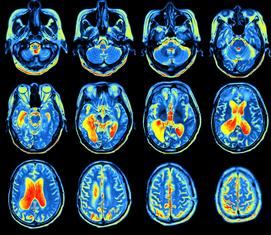
Hypnosis can be a fun party trick, but it’s also important to recognize its potential benefits. For many, it is an effective medical therapy, and its portrayal in the media as magical or fake misrepresents its reliability. Overall, hypnosis can be used in very different ways, and its effectiveness truly depends on the situation and the person (1).
Images:
Bibliography
- Williamson, A. (2019). What is hypnosis and how might it work? Palliative Care: Research and Treatment. https://doi.org/10.1177/1178224219826581
- (2025, January 28). Hypnosis, Cleveland Clinic. https://my.clevelandclinic.org/health/treatments/22676-hypnosis
- Muhumed, M. (2023, January 24). Can You Really Be Hypnotized, Or Is It All A Façade? Communicating Psychological Science. https://www.communicatingpsychologicalscience.com/blog/can-you-really-be-hypnotized-or-is-it-all-a-facade
Images





Comments are closed.