
How does a “normal” memory work compared to that of individuals with C-PTSD?
Five percent of people in America have C-PTSD, but most of the general public doesn’t understand what it means or the effect it has on the brain. C-PTSD is defined as complex post-traumatic stress disorder (1). Oftentimes, patients who go through this trauma experience a loss of identity and the normality of most brain functions. Before the exploration of the effects of C-PTSD, let’s first understand how memories and neurological connections work.
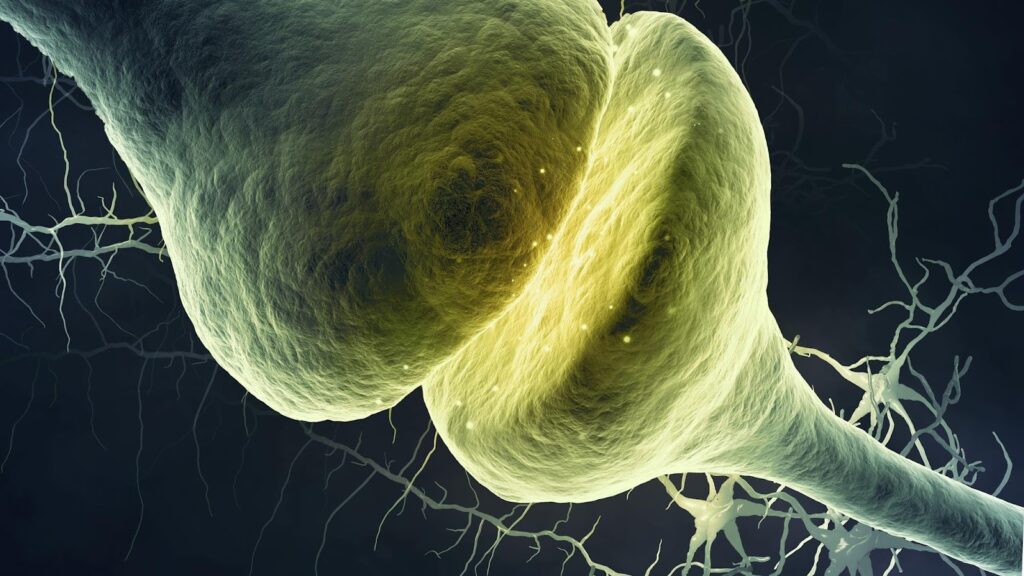
The brain is always making neurological connections. Every memory and connection allows neurons to connect (2). Synapses are neurons that interact with each other and are the connections between two or more nerve cells. Each time your brain recalls a memory from your past, your synapses strengthen, allowing for stronger transmission and easier recollection (3). Consistently stimulated synapses can generate neurological signals on their own (2).
When making memories, the brain follows a four-step process. First, it begins by gathering information from the environment. Then, it encodes information to make it memorable and organizes it for easy recall. To recollect, the brain will use the most useful synapses and forget the rest. In addition, adults learn information more slowly as fewer connections are made. The adult brain follows a more frequent routine, resulting in less-used synapses being chipped away (4).
Storing new information and making connections are the roles of the hippocampus. The hippocampus is where your brain forms the basis of memories. A study found that the hippocampus is where the brain comprehends surroundings for encoding details as the initial connection between location and memories. The hippocampus is important for short-term, long-term, and episodic memory or the recollection of specific encounters (3).
Connections between two nerve cells are not permanent, which is why there are three memory types: sensory memory, short-term memory, and long-term memory (4). Sensory memory includes the five senses: taste, hearing, smell, touch, and vision, and lasts for a few seconds (3). Short-term memory lasts up to a few minutes, but can become working memory if the information is used more frequently. Finally, long-term memory is created as a result of signals consistently passed between two synapses. This strength between two neurons allows for semi-permanent memories (4).
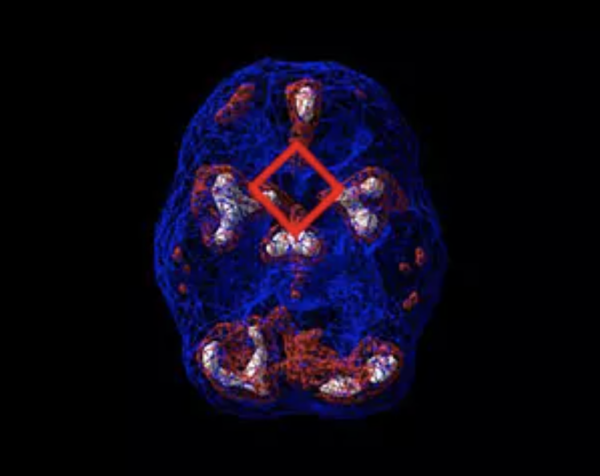
Unfortunately, for people with C-PTSD, normal memory and brain function are altered from a single, life-changing trauma that can redirect neurological chemicals and systems, both acute and chronic, creating an overwhelming response (5). C-PTSD results in both disconnected and fragmented memories caused by traumatic experiences (6). Specifically, it rewires the brain to avoid memories linked to trauma and certain triggers (5). With the constant avoidance of memories and frustration in being unable to process information easily, your brain becomes hypervigilant or overstressed at all times (6). This stress overworks the hippocampus and the prefrontal cortex, resulting in struggles expressing emotions and words. The loss of a functioning hippocampus creates the failure to calm the executive stress function, the amygdala. C-PTSD causes individuals to lose identity, competence, a sense of past legitimacy, and sleep, further destroying memories and encoding (5).
Currently, scientists at Johns Hopkins are testing the removal of brain chemicals in mice. By removing glutamate, a vital brain chemical, scientists were able to hinder the trauma in mice and C-PTSD trauma (1). To this day, scientists are still researching memory and C-PTSD, but no therapy or treatment has been discovered. With a better understanding of how humans process information, it is only a matter of time before scientists can rewire trauma and memory issues.
Bibliography
- Miller, M. (2019). Inside the Science of Memory. Hopkinsmedicine.org. https://www.hopkinsmedicine.org/health/wellness-and-prevention/inside-the-science-of-memory
- Eden, L. (2024, December 23). From Molecules to Memory. MIT Department of Biology. https://biology.mit.edu/from-molecules-to-memory/
- Bird, C. M., & Burgess, N. (2008). The hippocampus and memory: insights from spatial processing. Nature Reviews Neuroscience, 9(3), 182–194. https://doi.org/10.1038/nrn2335
- Cleveland Clinic. (2024, September 16). Memory: What It Is, How It Works & Types. Cleveland Clinic; Cleveland Clinic. https://my.clevelandclinic.org/health/articles/memory
- PTSD UK. (2009). The science and biology of PTSD – PTSD UK. Ptsduk.org. https://www.ptsduk.org/what-is-ptsd/the-science-and-biology-of-ptsd/
- Center, H. (2023, July 31). Complex PTSD and Memory Loss. Hanley Center. https://www.hanleycenter.org/complex-ptsd-and-memory-loss.
Images



Comments are closed.