
Can stem cell therapy reverse type 1 diabetes?
Famous child actor and singer Nick Jonas said, “After my type 1 diabetes diagnosis at 13, it felt like someone was shutting the door on my dreams.” He adds that his insulin needs are always on his mind. He is among over eight million people worldwide who are affected by Type 1 diabetes and rely on insulin therapy to live their day-to-day life (1).
Type 1 diabetes is an autoimmune disease in which a person’s immune system attacks and destroys insulin-producing pancreatic beta cells, leading to insulin deficiency. Insulin is a hormone that allows our bodies to use glucose. Think of insulin as the key that opens the doors of the cells in our body so that glucose can leave the bloodstream and move into the cell to be used for energy (2). People with type 1 diabetes cannot produce enough insulin which causes dysregulated glucose metabolism and leads to high glucose, called hyperglycemia, in the blood. High blood sugar can cause a host of severe complications, including vision loss, nerve damage, kidney failure, and non-healing ulcers that may lead to foot amputations. Type 1 diabetes usually presents in childhood, but one-fourth of cases are diagnosed in adults. Since the 1920s, the standard of care has been insulin replacement therapy via pump or multiple daily injections; however, these methods require constant blood sugar monitoring and are inconvenient.
On June 28th, 2023, the U.S. Food and Drug Administration approved Lantidra, the first-ever cell therapy to treat Type 1 diabetes (3). This treatment specifically aids Type 1 diabetics who are unable to maintain good glycemic control due to repeated hypoglycemia or low blood sugar levels. Severe hypoglycemia can be life-threatening and cause passing out and seizures; hence, managing these patients is difficult. The treatment involves the infusion of pancreatic beta cells from deceased donors, which is injected into the hepatic portal vein, where it stays and starts making insulin. To assess Lantidra’s safety and effectiveness, researchers conducted two non-randomized trials with 30 participants, each receiving between one and three infusions. Of these, 21 participants did not need insulin for one year or more. Still, these patients need to be on chronic immunosuppressive therapy to prevent rejection of the donor cells by their immune systems. Additional reported side effects included nausea, fatigue, anemia, diarrhea, and abdominal pain. This approach is also limited by the number of available organ donors and the quality of their cells.

Two years later, in June 2025, Reichman et al. published a study in the New England Journal of Medicine examining Zimislecel, laboratory-engineered stem cells designed for diabetes treatment (4). The study enrolled 14 participants and demonstrated good glycemic control and a reduction in severe hypoglycemic episodes. Even so, there were similar side effects and a need for immunosuppression, like with Lantidra. Two deaths were reported, one from meningitis and the other from worsening dementia; however, they were likely unrelated. The advantage of Zimislecel is that, if approved, it could be manufactured “off the shelf” and would be more readily available than the donor cell Lantidra. Still, Zimislecel remains in Phase 3 clinical trials and is considered an experimental therapy.
Both these therapies require chronic use of immunosuppressive drugs, which are harmful and carry the risk of infection, cancer, and other serious side effects. To limit use, researchers are now studying the use of gene-edited stem cells that can avoid immune attack and potentially eliminate the need for immunosuppressive drugs. In a study published in Diabetes Journal, Zhao et al. genetically modified stem cells with eight immunomodulatory factors and an inducible kill switch mechanism to protect them from the body’s immune system (5). Still, this approach has not yet been tested in animal or human studies.
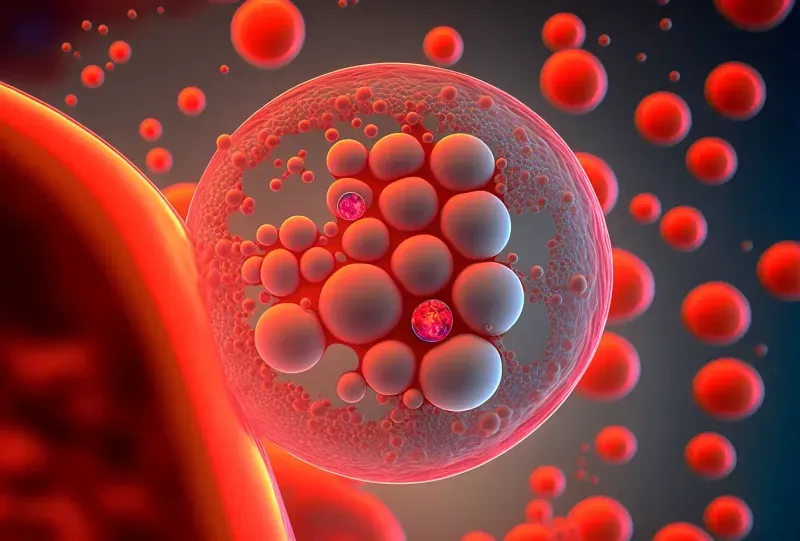
In the most recent article published in the journal Nature, researchers report that they have implanted CRISPR-edited pancreas cells into a person with type 1 diabetes (6). Using the CRISPR gene-editing system, scientists disabled two genes that normally help flag foreign invaders to T cells, the immune system’s frontline defenders. Then, they used a virus to shuttle genetic instructions for the protein CD47 into cells. This protein serves as a protective ‘do not eat me’ signal that prevents immune watchdogs, known as natural killer cells, from attacking the edited cells. These gene edits allow the cells to achieve localized immune evasion without the need for immunosuppressive treatment. Nevertheless, these studies are also in the experimental phase.
Advances in stem cell therapy and genetic engineering are showing great promise in transforming type 1 diabetes care. This therapy, though still in its early phases, can provide people with type 1 diabetes what they have long wanted: a one-time treatment that restores insulin production, with no needles, pumps, or immune-suppressing drugs.
Citations
- Rosen, M. (2025, July 2). A new diabetes treatment could free people from insulin injections. Science News. https://www.sciencenews.org/article/type-1-diabetes-cell-therapy-insulin
- Cleveland Clinic. (2024, January 17). Insulin. Cleveland Clinic. https://my.clevelandclinic.org/health/body/22601-insulin
- Diabetes. (2023, June 29). FDA. https://www.fda.gov/news-events/press-announcements/fda-approves-first-cellular-therapy-treat-patients-type-1-diabetes
- Reichman, T. W., Markmann, J. F., Odorico, J., Witkowski, P., Fung, J. J., Wijkstrom, M., Kandeel, F., de Koning, E. J. P., Peters, A. L., Mathieu, C., Kean, L. S., Bruinsma, B. G., Wang, C., Mascia, M., Sanna, B., Marigowda, G., Pagliuca, F., Melton, D., Ricordi, C., & Rickels, M. R. (2025). Stem Cell–Derived, Fully Differentiated Islets for Type 1 Diabetes. New England Journal of Medicine. https://doi.org/10.1056/nejmoa2506549
- https://diabetesjournals.org/diabetes/article/74/Supplement_1/2139-LB/158857/2139-LB-Immune-Shielded-Islets-from-Engineered
- Dolgin, E. (2025). Hope for diabetes: CRISPR-edited cells pump out insulin in a person – and evade immune detection. Nature. https://doi.org/10.1038/d41586-025-02802-5




Comments are closed.